Biloxi MS, United States
- 45,637 people
- 16 places to visit
- 30.396, -88.8853
Places to Visit (16)
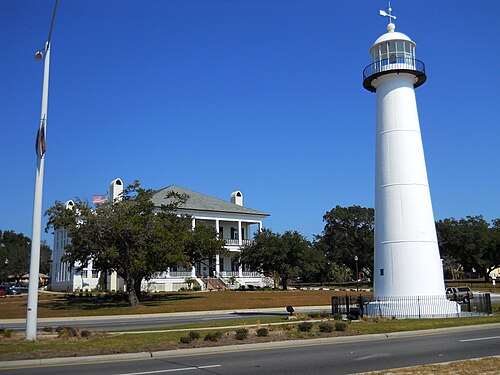
Biloxi, Mississippi, is a vibrant coastal city located along the Gulf of Mexico. Known for its stunning beaches and rich history, Biloxi has evolved from a small fishing village into a key tourist destination in the southeastern United States. The city, which is part of Harrison County, serves as a cultural and economic hub for the region. Its proximity to the Gulf Coast allows for a variety of recreational activities, including fishing, boating, and water sports. The city boasts a humid subtropical climate, characterized by hot summers and mild winters, making it an appealing destination year-round.
Historically, Biloxi was founded in the late 17th century by French settlers, and its name is derived from the Biloxi tribe of Native Americans. Throughout the years, it has played a significant role in the development of the region, particularly during the 19th century with the expansion of the seafood industry and shipbuilding. A notable landmark in the city is the Biloxi Lighthouse, constructed in 1848, which has become a symbol of the city. The area is also known for its rich architectural heritage, featuring a blend of colonial, Victorian, and modern designs. Biloxi is home to several museums, including the Maritime and Seafood Industry Museum, which highlights the city’s maritime history and the importance of fishing to the local economy.
In recent decades, Biloxi has gained prominence as a gaming destination, with numerous casinos and resorts that attract visitors from all over. The city's casinos are part of the larger Gulf Coast gaming industry that flourished after the legalization of casino gambling in Mississippi in the early 1990s. Events such as the Biloxi Bay Bridge Run and the annual Crawfish Festival further emphasize the city's lively culture and community spirit. Additionally, Biloxi's strategic location allows easy access to nearby attractions, including the city of Gulfport and the national parks of the area. With its combination of historical significance, recreational opportunities, and economic growth, Biloxi embodies the charm of the Gulf Coast while continuing to evolve as a dynamic city.
Facts about Biloxi
- Biloxi is home to the largest man-made reef in the world, known as the Biloxi Lighthouse Reef, which attracts diverse marine life and supports local fishing.
- The city is renowned for its historic Biloxi Lighthouse, which has stood since 1848 and is a symbol of the city, marking the entrance to Biloxi Bay.
- Biloxi has a rich seafood tradition and is known as the 'Seafood Capital of the World,' hosting the annual Biloxi Seafood Festival to celebrate its culinary heritage.
- The city played a significant role in World War II as a naval training center, notably with the presence of the Naval Construction Battalion Center, often referred to as 'Seabees.'
- Biloxi's Mardi Gras celebrations are among the oldest in the United States, dating back to the early 1900s, with vibrant parades and festivities attracting visitors each year.
- The city boasts one of the oldest surviving wooden oyster shucking houses in the U.S., the Caspian Seafood Company, reflecting its deep-rooted maritime culture.
- Biloxi is home to the stunning historical estate, the Biloxi Bay Bridge, which connects the mainland to the coastal islands and is an important structural and scenic feature.
- The city features the Biloxi National Historic District, which includes over 1,600 buildings reflecting its diverse architectural styles from various eras, including the famous 'Creole Cottages.'
- Biloxi's casinos, established in the early 1990s, have transformed the city into a popular gaming destination and significantly contribute to the local economy.
- The annual 'Jubilee' phenomenon occurs in Biloxi when low oxygen levels in waters cause large numbers of fish and crabs to surface, creating a unique fishing opportunity for locals.