Binche, Belgium
- 32,030 people
- 8 places to visit
- 50.4124, 4.1662
Places to Visit (8)
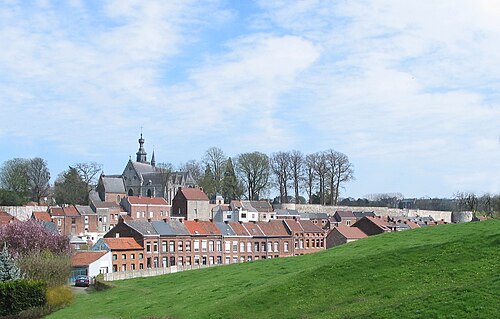
Binche is a historic city located in the Walloon region of Belgium, specifically within the province of Hainaut. Known for its rich cultural heritage, Binche has a history that dates back to Roman times. The city is strategically positioned approximately 30 kilometers southwest of Brussels, making it an attractive destination for tourists exploring the heart of Belgium. One of its most distinctive features is the UNESCO-recognized Carnival of Binche, celebrated annually and renowned for its vibrant costumes, particularly the famous Gilles, who don elaborate masks and attire. This carnival, which traces its origins to the Middle Ages, highlights the city’s deep-rooted traditions and community spirit.
Architecturally, Binche is characterized by its well-preserved medieval structures, including the daunting Château de Binche, a fortress that reflects the city’s historical significance as a strategic military site. The town's center is home to the Gothic-style St. Augustine Church, which adds to Binche's historical charm. Additionally, the city boasts numerous art galleries and museums, celebrating its artistic legacy and featuring works that outline the city’s contributions to Belgian culture. The local economy is influenced by tourism, as visitors are drawn to its cultural festivals, historical sites, and tranquil surroundings. Despite its small size, Binche reflects the authenticity of Belgian life, combining historical richness with a vibrant community atmosphere that continues to thrive in contemporary society.
Facts about Binche
- Binche is famous for its Carnaval, recognized by UNESCO as an Intangible Cultural Heritage of Humanity, characterized by vibrant costumes, parades, and traditional masks.
- The city is known for the 'Gilles of Binche', a traditional character in the Carnaval who plays a key role in the festivities, wearing elaborate costumes and a pointed hat.
- Binche has a rich history dating back to the Middle Ages and was the birthplace of the renowned painter, Antoine Wiertz, known for his dramatic and emotional artworks.
- The city features the impressive Théâtre Royal, one of the oldest theaters in Belgium, showcasing a variety of performances and cultural events.
- Binche is home to a remarkable example of a medieval fortress, the Château de Binche, which has been well-preserved and is a significant historical landmark.
- The city has a unique production of 'couscous', referred to as 'Binchois couscous', which is distinct to the region and enjoys a local culinary tradition.
- Binche is notable for its central location in the Walloon Region, making it a historical crossroads for trade and cultural exchanges.
- The city hosts the annual 'Fête du Pain' (Festival of Bread), celebrating traditional bread-making crafts and local culinary expertise.
- Binche is recognized for its unique architecture, featuring a blend of Gothic, Renaissance, and Baroque styles, particularly evident in its churches and town hall.
- During World War I, Binche was occupied by German forces, and the city's historical sites reflect the impact of the war on its development.