Binjai, Indonesia
- 279,302 people
- 8 places to visit
- 3.6135, 98.5025
Places to Visit (8)
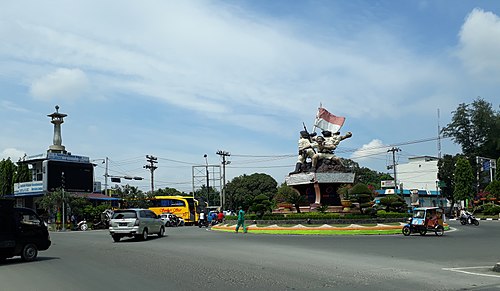
Binjai is a city located in North Sumatra, Indonesia, approximately 15 kilometers to the southeast of Medan, the capital of the North Sumatra province. Established as a municipality in 2001, Binjai covers an area of around 94.6 square kilometers and is situated at an elevation of approximately 25 meters above sea level. The city features a mix of urban and rural characteristics, with a population of about 200,000 people. The demographics of Binjai are predominantly Malay, with various ethnic groups including Batak, Javanese, and Chinese also contributing to the cultural tapestry of the city.
The economy of Binjai is primarily driven by agriculture, trade, and small-scale industries. The region is known for its agricultural products, especially durian, a popular tropical fruit. Other significant crops include rice, palm oil, and rubber. The city also serves as a commercial hub for the surrounding rural areas, fostering a vibrant marketplace where local goods and produce are traded. Binjai's strategic location near Medan allows for ease of transportation and trade, enhancing its economic development. Notably, Binjai is well-connected through a network of roads and has access to public transportation options, facilitating travel to and from Medan and other nearby cities.
Binjai is home to several cultural and recreational sites, attracting both residents and visitors. The city’s parks and green spaces, such as the Taman Ramadhan and Taman Kota Binjai, provide areas for leisure and community gatherings. Additionally, Binjai hosts various festivals that celebrate its rich cultural heritage, including traditional dance and music performances. The blend of urban development and natural beauty, combined with its growing economy and cultural vibrancy, positions Binjai as an emerging city with potential for future growth and development within Indonesia.
Facts about Binjai
- Binjai is known for its unique position as a city that borders the provincial capital of Medan, making it a significant satellite city.
- The city has a rich history as it was established during the Dutch colonial period, experiencing various developments that reflect the colonial architecture.
- Binjai is famous for its local culinary delights, particularly its traditional dishes like 'Bubur Kacang Hijau' (green bean porridge) and 'Sate Binjai.'
- The Binjai City Park ('Taman Kota Binjai') is a notable landmark that serves as a green oasis for residents, providing recreational space and hosting community events.
- Binjai is home to the historic 'Masjid Agung Binjai,' an iconic mosque that showcases the Islamic architecture typical of the region.
- The city hosts the annual 'Binjai Festival,' which celebrates local culture, art, and food, attracting visitors from surrounding areas.
- Binjai has a diverse population with various ethnic groups, including Javanese, Batak, and Acehnese, contributing to its rich cultural tapestry.
- The city's economy is heavily influenced by agriculture, particularly the cultivation of palm oil and rubber, linking it to larger global markets.
- Because of its strategic location, Binjai serves as a transit hub for travelers going to Bukit Lawang and other western tourist destinations in North Sumatra.
- Binjai is recognized for its urban vibrant marketplace, known as 'Pasar Binjai,' where locals shop for fresh produce, textiles, and traditional crafts.