Biratnagar, Nepal
- 244,750 people
- 3 places to visit
- 26.4525, 87.2718
Places to Visit (3)
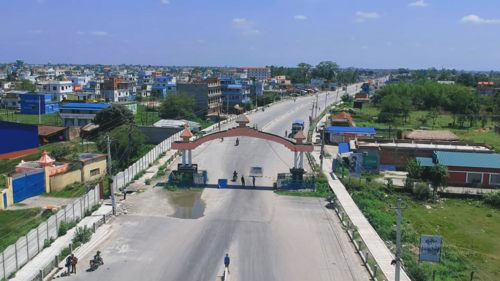
Biratnagar is one of the largest cities in Nepal, located in the eastern part of the country within the Kosi Province. Positioned near the border with India, it serves as a significant commercial and industrial hub in the region. Established in the late 19th century, the city has grown rapidly due to its strategic location and has evolved into a major center for trade and commerce. Biratnagar is known for its diverse economy, encompassing sectors such as textiles, food processing, and manufacturing, with a range of factories contributing to its economic dynamism. The city is also home to the Biratnagar Jute Mill, one of the oldest jute mills in Nepal, which symbolizes the city’s industrial heritage.
The city features a mix of cultural influences, reflecting its historical significance and the diversity of its population. With a vibrant community comprising various ethnic groups, languages, and traditions, Biratnagar showcases a rich tapestry of cultural heritage. The proximity to the Koshi River enhances the city’s natural beauty and agricultural productivity, supporting local livelihoods. Cultural festivals and events are an integral part of life in Biratnagar, with celebrations such as Dashain and Tihar drawing large participation and emphasizing community spirit. The city also boasts educational institutions, healthcare facilities, and infrastructure development that contribute to its growing importance in Nepal’s socio-economic landscape. Overall, Biratnagar stands out as a dynamic city with historical roots and a promising future, playing a crucial role in Nepal's development.
Facts about Biratnagar
- Biratnagar is one of the oldest and second-largest city in Nepal, established as a major commercial hub in the early 20th century.
- The city is home to the Biratnagar Jute Mills, which was the first jute mill in Nepal and remains one of the largest in the country, showcasing Nepal's industrialization efforts.
- Biratnagar plays a critical role in Nepal's economy as a significant trade and industrial center, particularly known for its production of textiles and jute goods.
- The city hosts the famous Biratnagar Airport, which is one of the busiest airports in eastern Nepal, enhancing regional connectivity.
- Biratnagar is strategically located near the border of India, facilitating cross-border trade and cultural exchange, distinguishing it from many other Nepali cities.
- The city features notable landmarks such as the Biratnagar Fire Temple, an important religious site for local Hindus, reflecting the cultural diversity of the region.
- Biratnagar witnessed significant political movements and is known for its active role in the various democratic movements in Nepal, contributing to its unique historical narrative.
- The city hosts the Biratnagar Marathon, an annual event that attracts participants from various regions, promoting health and tourism in the area.
- Biratnagar also has a rich sports culture, particularly in football and cricket, being home to several popular local clubs and teams.
- The surrounding region of Biratnagar boasts scenic landscapes and is close to natural attractions such as the Koshi Tappu Wildlife Reserve, highlighting its ecological significance.