Birgañj, Nepal
- 268,273 people
- 6 places to visit
- 27.0449, 84.8672
Places to Visit (6)
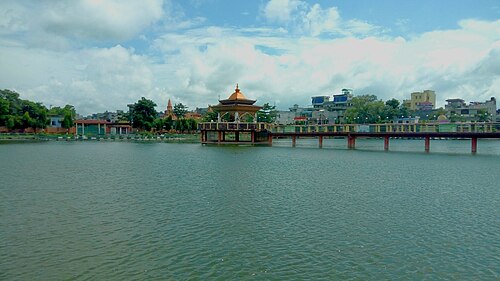
Birgañj is a notable city located in the Parsa District of Nepal, close to the border with India. It serves as one of the significant commercial hubs in the southern part of the country, playing a crucial role in trade and transportation due to its strategic position near the Indian border town of Raxaul. Birgañj is well-connected by road, and its proximity to major thoroughfares facilitates the movement of goods and people across the border, making it a vital gateway for imports and exports. The city is also served by a railway line that links it to various parts of Nepal and India, further enhancing its importance as a trade center.
The demographics of Birgañj reflect a diverse population, with people from various ethnic and cultural backgrounds coexisting in the city. The predominant languages spoken include Nepali and Bhojpuri, indicative of the local culture and the influence of the neighboring Indian states. Birgañj is characterized by a mix of urban and rural elements, with bustling markets that offer a variety of goods ranging from textiles to agricultural products. The city also features significant healthcare facilities, educational institutions, and infrastructure developments aimed at improving the quality of life for its residents. Despite facing challenges such as urbanization and pollution, Birgañj continues to thrive as a key economic center in Nepal, attracting both local and international businesses. The blend of tradition and modernity, along with its strategic location, underscores Birgañj's growing significance in the region.
Facts about Birgañj
- Birgañj, located in southeastern Nepal, is known for being a significant trade hub due to its proximity to the Indian border.
- The city plays a vital role in the economy of Nepal as it is home to the largest customs office in the country, facilitating extensive cross-border trade.
- Birgañj is connected by the Postal Highway, which enhances transportation and trade routes between Nepal and India.
- The city is notable for its cultural diversity, with a mix of ethnic communities, including Maithils, Tharus, and various migrant populations.
- Birgañj features significant historical sites, including the ancient temple of Jhandewali, which attracts many pilgrims and visitors.
- The city's urban landscape is marked by various educational institutions, such as the Birgunj School of Engineering, contributing to local and regional educational development.
- Every year, Birgañj hosts the 'Birgañj Mela,' a vibrant festival that showcases local culture, handicrafts, and cuisine, drawing visitors from across the region.
- As part of the Parsa District, Birgañj is integral to the economic development corridor linking central and eastern Nepal with the Indian market.
- The city also features a variety of industries, including textiles and handicrafts, elevating its profile beyond mere trade.
- Birgañj serves as an important stopover for travelers heading to the more touristy regions of Nepal, such as Kathmandu and Pokhara, due to its strategic location.