Birkirkara, Malta
- 24,356 people
- 15 places to visit
- 35.8961, 14.4645
Places to Visit (15)
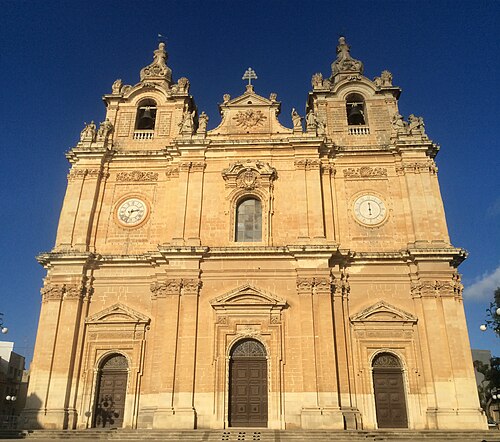
Birkirkara, one of the largest and most populous cities in Malta, is located in the central part of the island. It boasts a rich historical and cultural heritage that dates back to the Roman period, making it an integral part of Maltese history. The city's name, derived from the Arabic term "Bir Karka," translates to "the place of the well," indicating the significance of water sources in the area during its early settlement. Over the centuries, Birkirkara has evolved from a small village into a vibrant urban center, known for its residential communities and commercial activities. It is situated approximately half a mile from the capital city, Valletta, and serves as an important administrative hub.
Architecturally, Birkirkara is notable for its blend of historical and modern structures. The city is home to several significant churches, most prominently the St. Helen's Basilica, which is renowned for its stunning baroque style and intricate interiors. Additionally, Birkirkara has various historical buildings and old town sections that showcase the island’s diverse architectural influences. The city also features a lively town square, bustling streets filled with shops, and numerous cafes, making it a popular destination for both locals and tourists. Birkirkara’s annual events and cultural activities, such as the feast of St. Helen, further contribute to its dynamic community spirit.
In terms of demographics, Birkirkara has experienced significant growth over the years, reflecting the general population increase of Malta. It is characterized by a diverse populace, a considerable number of whom are engaged in various sectors, including commerce, education, and public services. The city's strategic location, modern amenities, and access to public transport make it a desirable place to live. Furthermore, Birkirkara features several parks and recreational facilities that promote an active lifestyle among residents, while also offering green spaces for family gatherings and leisure activities. Overall, Birkirkara stands as a testament to Malta's historical evolution and modernization, making it a fascinating place to explore and experience.
Facts about Birkirkara
- Birkirkara is the largest town in Malta by population, reflecting its significance as a central urban area in the country.
- The town's name is derived from the Arabic word 'Birkerka', meaning 'the place of the well', highlighting its historical importance as a settlement.
- Birkirkara is home to several historical landmarks, including the Church of St. Helen, which is known for its impressive Baroque architecture and is one of the oldest churches in Malta.
- The town features the famous 'Birkirkara River', which is unique as it's one of the few natural watercourses still present in Malta, despite its reduced flow due to urbanization.
- Birkirkara hosts the annual 'Birkirkara Carnival', which is celebrated with vibrant parades and events, making it a notable cultural event distinct from other towns.
- The Birkirkara Football Club, established in 1950, is one of the most successful football clubs in Malta, contributing to the town's identity and community spirit.
- Birkirkara’s main commercial street, Triq il-Kbira, serves as a central hub for shopping and dining, differentiating it from quieter towns and villages.
- The town is known for its diverse population, which includes a mix of locals and expatriates, creating a unique multicultural atmosphere.
- Birkirkara is historically significant for its role in the Maltese independence movement, being a focal point for various social and political activities.
- The town is also home to several educational institutions, including the prestigious Birkirkara Primary School and several secondary schools, making it an important center for education in Malta.