Birmingham AL, United States
- 212,461 people
- 13 places to visit
- 33.5186, -86.8104
Places to Visit (13)
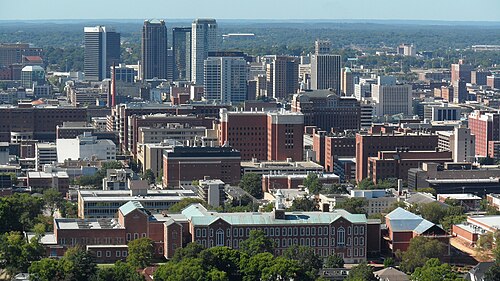
Birmingham, Alabama, is a city rich in history and cultural significance, located in the north-central part of the state. Established in 1871 at the intersection of two major railroads, Birmingham quickly rose to prominence due to its strategic location and abundance of natural resources, particularly iron ore, coal, and limestone. The city's industrial growth positioned it as a leading center of steel production in the United States during the late 19th and early 20th centuries. This rapid economic development attracted a diverse population, making Birmingham a melting pot of cultures, particularly evident in its vibrant arts, music, and culinary scenes.
The city is also known for its significant historical role in the Civil Rights Movement of the 1960s. Events such as the Birmingham Campaign and the bombing of the 16th Street Baptist Church in 1963 underscored the struggle for civil rights in America and brought nationwide attention to racial segregation. Today, Birmingham honors its history through various memorials and museums, including the Birmingham Civil Rights Institute, which educates visitors about this era and its impact on the nation's social fabric. Modern Birmingham has evolved into a hub for healthcare, finance, and education, boasting renowned institutions like UAB Hospital and Birmingham-Southern College. The city is also celebrated for its lush parks and recreation areas, such as Railroad Park and the Birmingham Botanical Gardens, offering residents and visitors a blend of urban life and natural beauty. As it continues to grow and diversify, Birmingham remains a city that embodies resilience, history, and southern charm.
Facts about Birmingham
- Birmingham, Alabama, was founded in 1871 during the post-Civil War industrial boom, specifically as a center for the iron and steel industry.
- The city is famous for the Vulcan statue, which is the largest cast iron statue in the world and represents the city's iron and steel industry heritage.
- Birmingham played a significant role in the Civil Rights Movement, with key events such as the 1963 Birmingham Campaign, which advocated for desegregation and led to critical changes in civil rights laws.
- The Birmingham Civil Rights Institute serves as a museum and a cultural education center, capturing the struggles, triumphs, and history of the civil rights movement.
- Birmingham is home to the historic Sloss Furnaces, a National Historic Landmark that showcases the history of iron and steel production in the region, offering tours and educational programs.
- The city hosts the annual Magic City Art Connection, a vibrant arts festival that promotes local artists and includes music, food, and children's activities.
- Birmingham has a renowned culinary scene, known especially for its barbecue and Southern cuisine, with several restaurants earning national recognition.
- The Birmingham Zoo, which opened in 1955, is a vital conservation and education center and is home to over 700 animals from around the world.
- Birmingham is home to several distinct neighborhoods, including the historic Five Points South, which features eclectic dining, nightlife, and cultural events.
- The city boasts the fourth-largest metropolitan area in Alabama and is often recognized for its expansive green spaces, including Railroad Park, which revitalizes urban living.