Bishkek, Kyrgyzstan
- 900,000 people
- 16 places to visit
- 42.8746, 74.5698
Places to Visit (16)
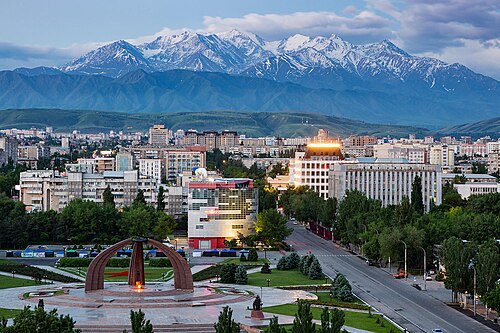
Bishkek is the capital city of Kyrgyzstan, situated in the northern part of the country at the foothills of the Ala Too Mountains. Established in 1878 as a Russian fort, the city has evolved into a vibrant urban center with a population of around one million. Bishkek is characterized by its Soviet-era architecture, tree-lined boulevards, and expansive parks, which contribute to its distinct charm. The city is a blend of modern and traditional influences, showcasing a lively cultural scene where art galleries, theaters, and music venues thrive alongside traditional bazaars. Ala-Too Square, the city’s central square, features the State Historical Museum and the impressive statue of Manas, a celebrated figure in Kyrgyz folklore, symbolizing national pride.
Economically, Bishkek serves as the political and administrative hub of Kyrgyzstan, housing government institutions, foreign embassies, and a growing number of international organizations. The local economy has been diversifying, with sectors such as trade, services, and light manufacturing playing significant roles. Additionally, Bishkek benefits from its strategic location, acting as a gateway to the Central Asian region and facilitating cross-border trade. The city’s transport infrastructure includes roads, a railway station, and Manas International Airport, which connects Bishkek to several major cities across Europe and Asia. With its unique historical context, cultural richness, and ongoing development, Bishkek stands as an important center of life in Kyrgyzstan, reflecting the dynamic nature of this rapidly changing country.
Facts about Bishkek
- Bishkek is the capital and largest city of Kyrgyzstan, serving as the political, economic, and cultural center of the country.
- The city was founded in the 19th century as a military fort, originally named Pishpek, which reflects its historical roots in the region.
- Bishkek is known for its unique Soviet-era architecture, with many buildings showcasing neoclassical and modernist styles.
- The Ala-Too Square in Bishkek is a central gathering place and is home to the statue of Manas, a national hero, making it a significant cultural landmark.
- Bishkek hosts the State Historical Museum, which is the largest museum in Kyrgyzstan, highlighting the country’s rich history and heritage.
- The city is surrounded by the majestic Ala Archa Mountain National Park, providing residents and visitors with easy access to outdoor activities such as hiking and skiing.
- Bishkek is known for its vibrant markets, especially the Osh Bazaar, which offers a wide variety of local foods, textiles, and crafts, distinguishing it from other cities.
- The city has a diverse range of cultural events, including the Bishkek Jazz Fest, showcasing its growing music scene and artistic community.
- Bishkek is a hub for international diplomacy and trade in Central Asia, being home to many embassies and international organizations.
- The city features many parks and green spaces, such as Ala-Too Square and Oak Park, setting it apart from other urban areas in the country.