Bismarck ND, United States
- 71,167 people
- 16 places to visit
- 46.8042, -100.7878
Places to Visit (16)
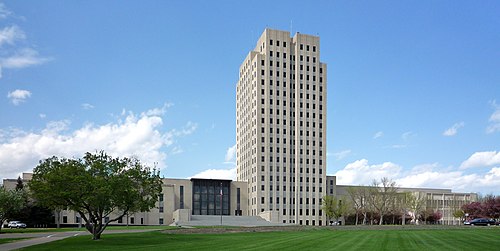
Bismarck, the capital of North Dakota, is situated in the central part of the state along the Missouri River. Founded in 1872 during the westward expansion of the United States, it was originally named "Edwinton" after the first settler, but was later renamed in honor of the German Chancellor Otto von Bismarck. The city's strategic location made it a key transportation hub, leading to its designation as the state capital in 1889 when North Dakota achieved statehood. With a population of approximately 73,000, Bismarck represents the second-largest city in the state after Fargo.
Bismarck is known for its rich history and culture, featuring numerous historical landmarks and museums. The North Dakota Heritage Center and State Museum provides insights into the state's history, culture, and natural environment, housing artifacts from prehistoric times to contemporary history. The city's economy is diverse, with sectors such as government, education, healthcare, and energy playing vital roles in its development. In recent years, Bismarck has experienced growth due to the boom in the oil industry from the nearby Bakken Formation, which has attracted new residents and businesses. The city offers a blend of urban amenities and outdoor recreational opportunities, drawing visitors to its parks, golf courses, and the scenic Missouri River, enhancing its appeal as a community for both residents and tourists alike.
Facts about Bismarck
- Bismarck is the capital city of North Dakota, making it one of the primary political centers in the state.
- The city is named after the German chancellor Otto von Bismarck, reflecting its German heritage and the influence of German settlers in the area.
- Bismarck is home to the North Dakota Heritage Center & State Museum, the state’s largest museum, which offers extensive exhibits on the state’s history and culture.
- The Missouri River flows through Bismarck, giving the city a significant riverfront that is a hub for outdoor activities, including fishing, boating, and hiking.
- The city is known for its proximity to the Lewis and Clark Expedition route, which explored the region in the early 1800s, and various historical markers commemorate this journey.
- Bismarck hosts the North Dakota State Fair each year, which is one of the largest state fairs in the region and draws visitors from across the state and beyond.
- The Bismarck-Mandan area features the historic Fort Abraham Lincoln State Park, which includes the remains of a military fort and a reconstructed Mandan village.
- The city boasts a strong economic foundation, primarily due to its role in the oil boom from the Bakken Formation, contributing to rapid growth and development.
- Bismarck International Airport is a key transportation hub for central North Dakota, facilitating travel to various regional destinations and serving as the state's second-largest airport.
- The city’s annual holiday event, the 'Bismarck Festival of Lights,' showcases a beautiful display of Christmas lights and attracts visitors, enhancing the community spirit during the winter season.