Bistriţa, Romania
- 81,318 people
- 14 places to visit
- 47.1393, 24.4891
Places to Visit (14)
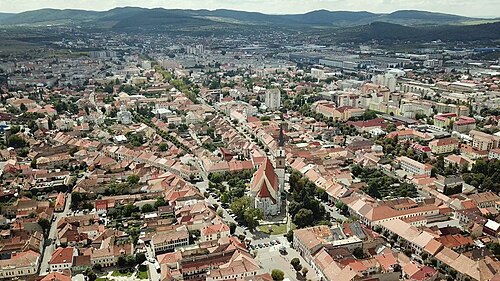
Bistriţa is a city situated in the northern part of Romania, serving as the capital of Bistriţa-Năsăud County. With a population of approximately 80,000 residents, it is one of the more significant urban centers in the region, strategically positioned at the confluence of the Bistriţa River and its tributaries. The city has a rich history, dating back to its first documented mention in 1264. This notable mention indicates a well-established settlement during medieval times, reflecting its importance in trade and commerce within Transylvania. Bistriţa was recognized for its role in the production of textiles and carpentry, which contributed to its economic growth. The historical architectures, such as the medieval fortress and the Evangelical Church, highlight the city's cultural heritage, while annual events like the Bistriţa Renaissance Festival celebrate local traditions.
In modern times, Bistriţa has developed into a regional hub for commerce, education, and culture. The city's economy is diversified, including sectors such as manufacturing, services, and tourism. Notably, Bistriţa is surrounded by picturesque landscapes, including the nearby Bârgău Mountains and the famous Rodna Mountains National Park, which attracts outdoor enthusiasts and nature lovers. The city hosts several educational institutions, ranging from primary schools to universities, thereby fostering a young and educated populace. Bistriţa's cultural life is vibrant, marked by the presence of theaters, art galleries, and music festivals that reflect the diversity of influences from various ethnic groups, including Romanians, Hungarians, and Saxons. The local cuisine, which features traditional Romanian dishes, further adds to the city's charm.
Bistriţa also plays a significant role in regional transportation due to its connectivity with major roads and railways, facilitating easy access to other parts of Romania and beyond. The city acts as a gateway to the scenic regions of Maramureș and Transylvania, thus benefiting from tourism. In recent years, Bistriţa has undergone various urban development projects aimed at improving infrastructure and enhancing the quality of life for its inhabitants. With its blend of historical significance, economic vitality, and cultural richness, Bistriţa stands out as a noteworthy city in Romania, embodying the nation’s spirit and growth.
Facts about Bistriţa
- Bistriţa is known for its well-preserved medieval architecture, including the 14th-century Bistriţa Church, one of the oldest churches in Transylvania.
- The city was granted the status of a royal town in 1241, making it one of the oldest documented settlements in Romania.
- Bistriţa is home to the 'Bistriţa-Năsăud County Museum', which showcases artifacts related to the region's history, culture, and natural environment.
- The local tradition of woodcrafting is renowned, and Bistriţa hosts the 'International Woodcraft Symposium' which attracts artisans from all over the world.
- Bistriţa is famously linked to the author of Dracula, Bram Stoker, as it was one of the inspirations for the mythical character, largely due to its Gothic architecture.
- The city celebrates the 'Bistriţa Music Festival', an annual event that features various musical genres, contributing significantly to the local cultural scene.
- Bistriţa is also known for its unique Székely folklore and traditions, which can be experienced through local festivals and events throughout the year.
- The Bistriţa River runs through the city, providing scenic views and opportunities for outdoor activities like fishing and hiking in surrounding areas.
- In addition to its historical sites, Bistriţa is renowned for its vibrant culinary scene, featuring traditional Romanian dishes along with local specialties like 'mămăligă' and various meat dishes.
- The city is strategically located near the Eastern Carpathians, providing easy access to nature trails, skiing resorts, and beautiful landscapes, distinguishing it from many other Romanian cities.