Bizen, Japan
- 39,117 people
- 12 places to visit
- 34.7452, 134.1882
Places to Visit (12)
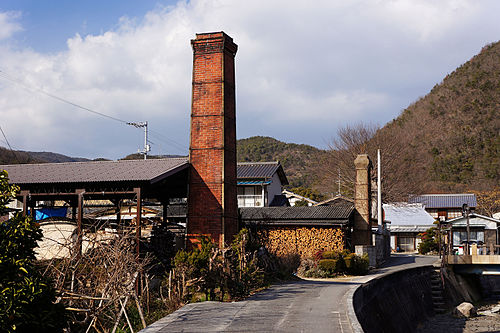
Bizen is a city located in Okayama Prefecture, Japan, known for its rich cultural heritage and historical significance. Established as a city in 2004, Bizen emerged from the merger of several towns and villages, including the former Bizen City and the town of Akaiwa. The city is situated on the western edge of the Seto Inland Sea, providing it with a scenic coastal landscape. It is characterized by rolling hills and fertile plains, making it an agricultural hub, particularly known for its rice production and traditional crafts.
One of the most notable aspects of Bizen is its renowned pottery, known as Bizen-yaki. This ancient ceramic art form dates back to the Heian period (794-1185) and is distinguished by its unique natural glazes and rustic aesthetic. Bizen-yaki ceramics are unglazed and are often characterized by their earthy colors and textures, which are achieved through a wood-firing process. The city's pottery traditions are celebrated in museums, such as the Bizen Pottery Museum, and contribute significantly to the local economy through both tourism and craft production.
In addition to its pottery heritage, Bizen has various historical sites, including temples and shrines that reflect its long-standing cultural influences. The city is home to several annual festivals, which draw visitors from across the region, highlighting local traditions and crafts. Bizen's favorable climate and geographic location also support outdoor activities, making it a popular destination for nature enthusiasts. Whether through its artisanal crafts, historical venues, or picturesque landscapes, Bizen stands as a testament to Japan's cultural richness and regional diversity.
Facts about Bizen
- Bizen is renowned for its traditional Bizen pottery, one of Japan's oldest and most prestigious ceramic styles, which dates back to the 12th century.
- The city hosts the Bizen Pottery Festival every October, celebrating the artistry and craftsmanship of local potters.
- Bizen is home to Bizen Osafune Japanese Sword Museum, dedicated to the art of sword making, which showcases the city’s history in forging samurai swords.
- The city’s historical significance as a center for the production of swords and pottery has earned it recognition as a Traditional Crafts City by the Japanese government.
- Bizen’s natural landscape is characterized by beautiful rivers, mountains, and rural scenery, distinguishing it from the more urbanized areas of Japan.
- The city's name, 'Bizen,' derives from the ancient Bizen Province, which was a key area during the Heian and Kamakura periods.
- Bizen produces over 90% of Japan’s quality stoneware, known for its rustic texture and natural glaze, which is not commonly found in other regions.
- It is also known for its local delicacy of Bizen sushi, a type of sushi served on specially crafted Bizen pottery.
- Bizen has several historical sites, including the ruins of Bizen Castle, which was a strategic stronghold during the Sengoku period.
- The city is less industrialized compared to many other Japanese cities, focusing on preserving traditional crafts and rural lifestyles.