Blagoevgrad, Bulgaria
- 67,810 people
- 11 places to visit
- 42.0209, 23.0943
Places to Visit (11)
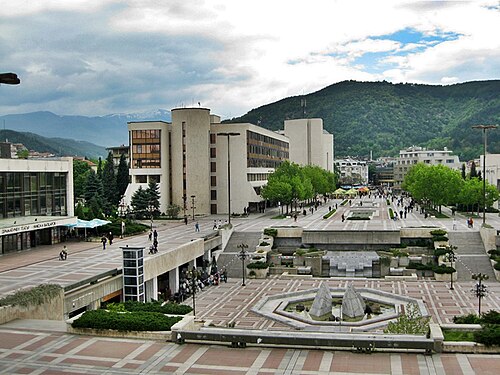
Blagoevgrad is a city located in southwestern Bulgaria, serving as the administrative center of Blagoevgrad Province. Nestled at the foot of the Pirin Mountains, the city is positioned along the banks of the river Bistritsa, approximately 100 kilometers from the capital, Sofia. With a population of around 70,000, it is the largest city in the region and an important economic and cultural hub. Blagoevgrad has a diverse history, influenced by various cultures and civilizations, from Thracians and Romans to the Ottomans. This rich heritage is reflected in its architecture and urban layout, blending historical buildings with modern development.
The city is home to the American University in Bulgaria, established in 1991, which attracts students from both local and international backgrounds. This institution plays a pivotal role in the educational landscape of the region, contributing to Blagoevgrad's reputation as a center of higher learning. Moreover, the city's economy is bolstered by trade, tourism, and agriculture, benefiting from its beautiful natural surroundings, including the nearby Pirin National Park, a UNESCO World Heritage Site. The park offers numerous outdoor activities such as hiking, skiing, and wildlife observation, appealing to both locals and tourists. Blagoevgrad’s charming streets, vibrant cultural scene, and proximity to natural attractions make it an appealing destination in Bulgaria.
Facts about Blagoevgrad
- Blagoevgrad is home to the prestigious American University in Bulgaria, which is known for its liberal arts education and serves as a unique educational institution in the country.
- The city is located near the Pirin National Park, a UNESCO World Heritage site, which offers breathtaking natural landscapes and a rich biodiversity, distinguishing it from other Bulgarian cities.
- Blagoevgrad has a rich history as it was a significant center for the Bulgarian National Revival in the 19th century and played a vital role in the struggle for national liberation.
- The city hosts the annual Blagoevgrad Jazz Festival, attracting international artists and jazz enthusiasts, making it a cultural hotspot compared to other towns in Bulgaria.
- The downtown area of Blagoevgrad is known for its beautiful parks, pedestrian zones, and vibrant street life, offering a unique urban environment in Bulgaria.
- Blagoevgrad is recognized for its diverse population, contributing to a multicultural atmosphere with various ethnic groups, including Bulgarians, Greeks, and Roma.
- The city is famous for the historic 'Bistritsa' area, where traditional Bulgarian folk music and dancing are preserved, showcasing the region's cultural identity.
- Blagoevgrad is strategically located at the crossroads of two major highways, making it a key transit point between Bulgaria and its neighboring countries, such as Greece and North Macedonia.
- The city has a unique architectural blend of modern buildings and historical sites, including the 'Vlahina' Church and the local market, offering a glimpse into both contemporary and traditional Bulgarian life.
- Blagoevgrad is known for its thermal mineral springs, which attract visitors seeking wellness and relaxation, setting it apart from many other cities in Bulgaria.