Blaj, Romania
- 20,371 people
- 7 places to visit
- 46.1762, 23.924
Places to Visit (7)
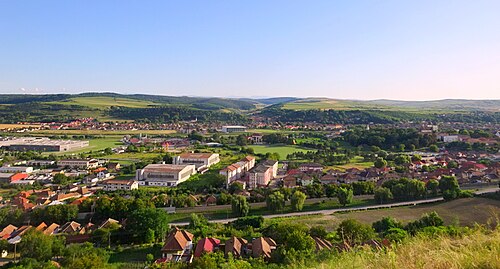
Blaj is a city in Romania, situated in Alba County, within the historical region of Transylvania. Nestled in the Mureș River Valley, Blaj lies approximately 20 kilometers east of the city of Alba Iulia and about 60 kilometers south of Cluj-Napoca. With a population of around 12,000 inhabitants, Blaj has a rich history that dates back to the medieval period, originally recognized as a center for Transylvanian education and culture. It has been notably inhabited by Romanians, Hungarians, and Roma, contributing to its diverse cultural landscape.
The city is renowned for its significant role in the Romanian national awakening during the 19th century. Blaj was a hub for the Hungarian and Romanian cultural movements, which aimed to promote the rights and education of the Romanian people within the Austro-Hungarian Empire. The Greek-Catholic Church, established in Blaj, became a major center of learning and a focal point for the cultural and religious identity of Romanians. The city's ecclesiastical seminary, founded in the late 18th century, was one of the first Romanian educational institutions and produced many influential figures in Romanian literature and politics. Blaj also served as the venue for the historic Blaj Congress in 1848, which advocated for the emancipation of Romanian peasants and the recognition of basic rights.
Today, Blaj maintains its historical significance while embracing modern development. The city features several points of interest, including churches, monuments, and parks that reflect its heritage. Notable structures include the Greek-Catholic Cathedral and the former seminary building, both emblematic of Blaj’s educational legacy. The lively cultural scene is complemented by events that celebrate local traditions and history, attracting visitors and contributing to the city's charm. Blaj's strategic location and rich cultural fabric make it a notable destination in Romania, encapsulating the spirit of its past while navigating the present.
Facts about Blaj
- Blaj is known as the 'Cradle of the Romanian Nation' due to its historical significance in the development of Romanian culture and national identity.
- The city is home to the Greek-Catholic Bishopric, founded in the 18th century, which played a crucial role in the religious and cultural life of Romanians.
- Blaj hosted the first Romanian National Assembly in 1848, where important socio-political demands were made, highlighting its role in the national movement.
- The city is renowned for its educational institutions, including the Blaj School, which was one of the first Romanian schools teaching in the Romanian language.
- Blaj is distinguished by its rich architectural heritage, featuring Baroque and Neoclassical buildings, such as the Blaj Cathedral and various historic houses.
- Every year, Blaj hosts the 'Blaj aLive!' festival, celebrating arts and culture with performances from local and national artists, making it a vibrant cultural hub.
- The city is surrounded by natural beauty, located at the crossroads of the Mureș Valley and the Apuseni Mountains, attracting nature lovers and outdoor enthusiasts.
- Blaj has a unique local tradition known as 'Blajini,' celebrated on Pentecost, where people wear white and perform rituals reflecting the transylvanian folk culture.
- The city's involvement in the 1848 revolutionary movement and its unique contribution to the development of the modern Romanian state set it apart from other towns.
- Blaj is also known for its significant Romanian literary figures such as George Coșbuc and its contributions to Romanian literature and education.