Blansko, Czechia
- 20,384 people
- 6 places to visit
- 49.3649, 16.6478
Places to Visit (6)
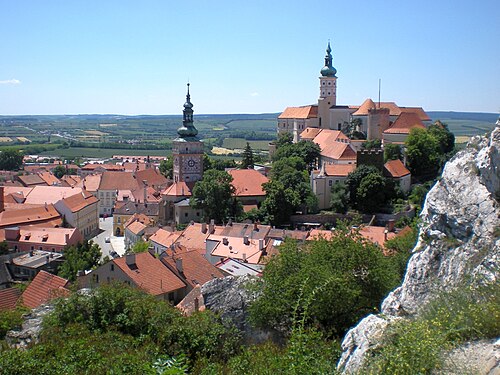
Blansko is a picturesque city located in the South Moravian Region of Czechia, approximately 20 kilometers north of Brno, the regional capital. Nestled at the confluence of the Svitava and Blanica rivers, the city boasts a rich blend of natural beauty and historical significance. With a population of around 20,000 residents, Blansko serves as a significant administrative and economic center for the surrounding areas. The city is well-connected by transportation networks, including rail and road, facilitating access to both Brno and the scenic Moravian Karst, a protected landscape known for its dramatic limestone formations, caves, and hiking trails.
Historically, Blansko has roots that trace back to the early Middle Ages. The city was officially established in the 13th century and gradually developed around the local mining industry, particularly with the extraction of limestone and later, the production of cement. This industrial legacy is still reflected in the city's architecture and local economy, with several companies continuing operations in these sectors. Blansko is also known for its cultural heritage, which includes various historical landmarks such as the Church of St. Martin, dating back to the 14th century, and the nearby Blansko Castle, which has undergone several renovations over the years. The city hosts numerous cultural events, and its residents take pride in local traditions and crafts. Outdoor activities in the Moravian Karst area further enhance the quality of life, attracting nature enthusiasts, rock climbers, and adventure seekers alike. Overall, Blansko exemplifies a harmonious blend of industrial history, cultural richness, and natural beauty, making it a unique and appealing destination in Czechia.
Facts about Blansko
- Blansko is situated at the gateway to the Moravian Karst, a protected landscape area known for its stunning limestone formations and numerous caves, including the famous Macocha Abyss.
- The town has a rich history dating back to the early Middle Ages, with a significant archaeological site indicating settlement as early as the 12th century.
- Blansko hosts the annual Blansko Music Festival, attracting local and regional bands, fostering community spirit and cultural appreciation.
- The Blansko Chateau, a Renaissance building, was originally constructed in the 16th century and serves as a cultural venue and museum today.
- The town is known for its unique rock formations and is a popular base for outdoor activities such as hiking, cycling, and caving in the nearby Moravian Karst.
- Blansko was historically an important center for iron and silver mining, which shaped its economic development during the past centuries.
- The city features the Blansko swimming pool complex, which is one of the most popular recreational spots for both locals and tourists, particularly in summer.
- Blansko has a strong tradition of woodworking and furniture manufacture, contributing significantly to the local economy and craftsmanship heritage.
- The town's location along the Svitava River provides picturesque views and opportunities for water-related activities, distinguishing it from many other towns in the country.
- Blansko is known for its commitment to local festivals that celebrate traditional crafts, cuisine, and seasonal changes, helping to preserve the cultural heritage of the region.