Blieskastel, Germany
- 23,212 people
- 4 places to visit
- 49.2423, 7.2546
Places to Visit (4)
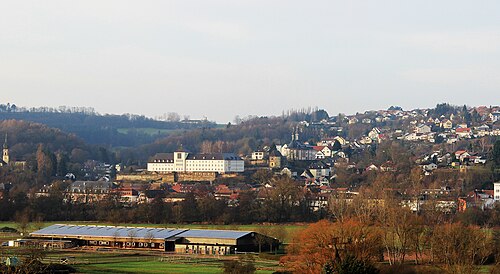
Blieskastel is a picturesque town located in the state of Saarland, Germany. Nestled in the Bliesgau region, it lies along the Blies River and is situated approximately 10 kilometers northeast of the city of Saarbrücken, the capital of Saarland. The town has a rich history, with its origins tracing back to the Roman Empire when it was known as "Bliesacum." The influence of the Romans is evident in the archaeological findings and remnants of ancient structures that enhance the town's historical significance. Blieskastel is characterized by its charming old town, which boasts a variety of well-preserved medieval buildings, including the Catholic Church of St. Peter and the Evangelical Church, which attract both tourists and history enthusiasts alike.
The local economy in Blieskastel is diverse, with a mix of industry, agriculture, and services. The town is known for its commitment to green practices and promoting sustainable development, which reflects in its surrounding natural landscapes and parks. The nearby Bliesgau Nature Park offers numerous recreational opportunities, including hiking, cycling, and wildlife observation, making the region popular among outdoor enthusiasts. Additionally, Blieskastel hosts various cultural events and festivals throughout the year, fostering a vibrant community spirit. The town's strong sense of identity is also evident in its local traditions, which highlight the region’s rich folklore and gastronomy. Overall, Blieskastel represents a harmonious blend of history, culture, and natural beauty, making it a unique destination in Germany's Saarland region.
Facts about Blieskastel
- Blieskastel is known for its unique blend of German and French culture, due to its historical proximity to France.
- The city was founded as a Roman settlement, which is reflected in its archaeological sites and heritage, making it an important historical location in Germany.
- Blieskastel is home to the St. Joseph's Church, a remarkable example of Baroque architecture, which stands out among other churches in the region.
- The city's name is derived from the Blies River, which runs through the area and contributes to its picturesque landscape and numerous outdoor activities.
- Blieskastel hosts an annual Pilgrimage to the nearby pilgrimage church, La Bichet, which attracts visitors and is a unique local tradition.
- The city is part of the Saarland state, which is known for its rich coal mining history, and Blieskastel has historic buildings that reflect this industrial heritage.
- Blieskastel has a well-preserved medieval town center, complete with half-timbered houses and cobblestone streets, offering a charming atmosphere distinct from larger cities.
- The region around Blieskastel is famous for its hiking trails, particularly the picturesque 'Bliesgau Biosphere Reserve', which showcases diverse flora and fauna.
- Blieskastel is recognized for its commitment to sustainable development and was designated a Biosphere Reserve by UNESCO in 2009.
- The city organizes various cultural events throughout the year, including local festivals celebrating traditional crafts and gastronomy, fostering a strong community spirit.