Blyth, United Kingdom
- 37,339 people
- 15 places to visit
- 55.127, -1.5103
Places to Visit (15)
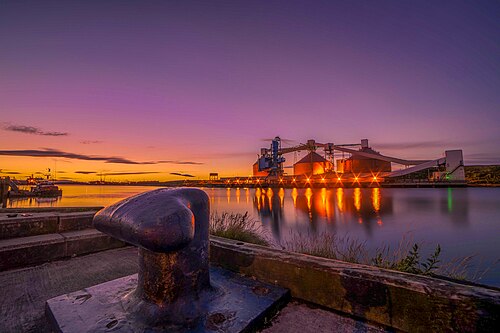
Blyth is a coastal town located in Northumberland, England, within the United Kingdom. Situated approximately 10 miles north of Newcastle upon Tyne, Blyth has a rich maritime history and serves as a key port town. Historically, the area developed from a small fishing village into a significant shipping and coal-exporting hub during the 19th century, propelled by the Industrial Revolution. At its peak, Blyth was known for its coal trade and shipbuilding industries, which profoundly shaped its economic landscape and urban development.
Over the years, Blyth has undergone significant transformations. While it experienced a decline in heavy industries during the late 20th century, recent regeneration initiatives have revitalized the town. Blyth is now known for the Blyth Renewable Energy Station and off-shore wind farms, marking its transition towards sustainable energy production, which aligns with broader national goals for renewable energy. The town features several parks and recreational areas, such as the picturesque beach, which offer residents and visitors opportunities for leisure activities.
Blyth is also home to various cultural landmarks and community events that enhance its local identity. The Blyth Tall Ship project reflects the town's maritime heritage, and the annual Blyth Carnival showcases its vibrant community spirit. With a mix of historical charm, natural beauty, and ongoing development, Blyth continues to embrace its past while paving the way for a sustainable and thriving future.
Facts about Blyth
- Blyth is a port town located in Northumberland, England, known for its maritime history dating back to the 12th century.
- The Blyth Battery, a coastal defense battery built during World War II, is a significant historical landmark that showcases the town's military heritage.
- Blyth boasts the largest working beach in Northumberland, with a sandy stretch that attracts visitors and beachgoers.
- The Blyth River, which flows through the town, was historically used for shipping coal and timber, contributing to Blyth's growth during the Industrial Revolution.
- In recent years, Blyth has become a hub for renewable energy, with the nearby Blyth Offshore Wind Farm being one of the first commercial scale offshore wind farms in the UK.
- Blyth is home to the annual Blyth Tall Ships Regatta, which attracts international tall ships and sailors, promoting the town’s rich maritime culture.
- The town features the Blyth Lighthouse, originally built in 1882, which serves as an important navigation aid for vessels entering the port.
- Blyth's cultural scene includes the Phoenix Theatre, which hosts various performances and events, contributing to the local arts community.
- The Blyth Sports Club, established in 1865, is one of the oldest sports clubs in the area, illustrating the town’s longstanding tradition of sporting activities.
- Blyth has a proud industrial past, particularly in coal mining, with the last colliery closing in 2000, marking the end of an era in the town's economic history.