Bobigny, France
- 44,962 people
- 15 places to visit
- 48.9086, 2.4397
Places to Visit (15)
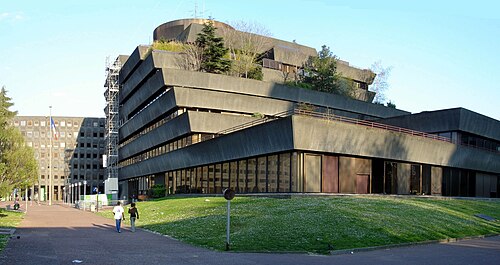
Bobigny is a commune in the northeastern suburbs of Paris, France, located approximately 9.5 kilometers from the center of the capital. It is part of the Seine-Saint-Denis department, which is known for its diverse population and urban challenges. Bobigny plays a crucial role in the Greater Paris metropolitan area, serving as a pivotal hub for commerce, transportation, and cultural interactions. The commune covers an area of about 5.5 square kilometers and has experienced significant demographic changes over the years, reflecting the broader trends of urbanization and migration in the Paris region.
Historically, Bobigny was a rural area until the late 19th century, when it began to industrialize and develop as a suburban community. The arrival of the Paris Métro in the 1970s further accelerated its growth, making it a desirable location for residents seeking proximity to the capital. As of the latest counts, Bobigny has a population of around 52,000, with many of its residents originating from various ethnic backgrounds, contributing to a rich tapestry of cultures. The commune is characterized by its modern architecture, including the Monnaie de Paris building and the Palais de la Femme, a unique complex that offers housing and services for women in need.
Bobigny is also known for its educational institutions and community initiatives. The presence of the University Paris 13 and various vocational training centers highlights the importance of education in the area, aiming to empower residents and improve prospects for the youth. The town is served by a variety of public transportation options, including the Métro, tram lines, and bus services, facilitating easy access to Paris and surrounding areas. Cultural events, local markets, and public spaces like the Parc de la Bergère foster a sense of community and togetherness among residents, making Bobigny an important part of the vibrant landscape of the Paris metropolitan area.
Facts about Bobigny
- Bobigny is the capital of the Seine-Saint-Denis department, which is known for its diverse population and cultural vibrancy.
- The city is home to the historic Bobigny Canal, which played a crucial role in the industrial development of the area in the 19th century.
- Bobigny was significantly impacted by World War II and was a site of resistance against Nazi occupation, with various historical markers commemorating this period.
- The Bobigny suburb features unique modern architecture, particularly the huge shopping center, Les Arcades, which reflects the post-war urban design trends.
- Bobigny hosted the famous French American Film Festival, showcasing its commitment to cinema and cultural exchanges.
- The city is notable for its diverse culinary scene, influenced by the multicultural communities residing within it, offering a variety of cuisines not commonly found in more traditional French towns.
- Bobigny is renowned for its municipal swimming pool, which is one of the largest in the Île-de-France region, attracting visitors from surrounding areas.
- In 2015, the city celebrated its 100th anniversary as a commune, marking a century of growth and transformation since its establishment.
- Bobigny has been pivotal in French urban development policies, often serving as a model for revitalization in suburban areas.
- The city is known for its contemporary art scene, exemplified by the presence of various galleries and art initiatives fostering local talent.