Bobo-Dioulasso, Burkina Faso
- 904,920 people
- 8 places to visit
- 11.1649, -4.3052
Places to Visit (8)
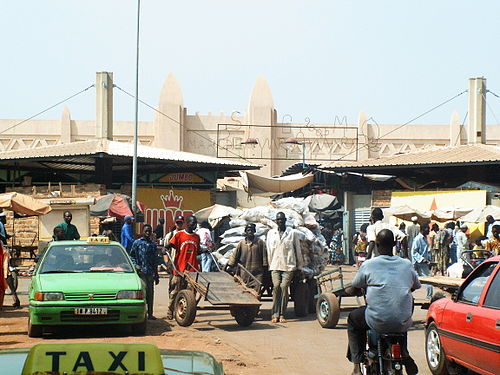
Bobo-Dioulasso, the second-largest city in Burkina Faso, is located in the western part of the country and serves as the capital of the Houet Province. Known for its cultural richness and historical significance, the city is situated approximately 345 kilometers southwest of Ouagadougou, the national capital. Bobo-Dioulasso was founded in the 19th century by the Dioula people, who were involved in trade, agriculture, and the production of cotton, a staple crop in the region. The city's economy is diversified, with agriculture, trade, and handicrafts playing crucial roles. Bobo-Dioulasso is frequently referred to as a center of trade and commerce, with vibrant markets that attract traders from various regions.
The city's cultural landscape is marked by its unique architecture, which features traditional mud-brick houses adorned with colorful wall paintings reflecting the rich traditions of the local people. The Grand Mosque, built in the Sudanese style, stands as a significant landmark, showcasing the city’s religious heritage. Bobo-Dioulasso is also celebrated for its lively music scene, particularly its role in promoting traditional Burkinabé music genres like "Mande" and "Griot," as well as contemporary styles. The city hosts several festivals celebrating local culture, arts, and music, drawing both national and international visitors. Additionally, the nearby musical village of Koro serves as an artistic hub, where local musicians gather to share their craft.
Bobo-Dioulasso is not only a cultural and economic center but also a key transportation node, with a railway linking it to Ouagadougou and facilitating the movement of goods and people. The city's education infrastructure, including several primary schools and the University of Bobo-Dioulasso, contributes to its role as an educational center in the country. As Burkina Faso grapples with socio-economic challenges, Bobo-Dioulasso continues to thrive, embodying the resilience and cultural heritage of its inhabitants. The city is a testament to the rich history and enduring traditions of the Burkinabé people and remains an important destination for those seeking to experience the diverse culture of West Africa.
Facts about Bobo-Dioulasso
- Bobo-Dioulasso is the second-largest city in Burkina Faso, after the capital, Ouagadougou, and serves as an important economic hub in the western region of the country.
- The city is renowned for its vibrant cultural scene, particularly in music and arts, and is often referred to as the cultural capital of Burkina Faso.
- Bobo-Dioulasso is home to the impressive Grand Mosquée, a historic mosque built in the early 20th century, known for its unique Sudano-Sahelian architectural style.
- The city hosts the annual Festival des masques et des arts traditionnels, which showcases traditional masks and cultural performances, attracting both local and international visitors.
- Bobo-Dioulasso was historically significant as a center for trade and commerce during the colonial era, which contributed to its diverse population and culture.
- Unlike Ouagadougou, Bobo-Dioulasso has a highly visible presence of traditional wooden architecture, which reflects the craftsmanship and heritage of the local people.
- The city is known for its lush surroundings, particularly the nearby Comoé National Park, which is a UNESCO World Heritage site famous for its rich biodiversity.
- Bobo-Dioulasso is also distinctive for its production of shea butter, which is a major industry in the region and supports the local economy.
- The city is a vital hub for rail transport in Burkina Faso, with a functioning train station that connects it to the capital and neighboring countries.
- Bobo-Dioulasso has a reputation for its culinary delights, offering a variety of traditional dishes that reflect the diverse cultures of the region.