Bochnia, Poland
- 29,184 people
- 9 places to visit
- 49.9685, 20.4303
Places to Visit (9)
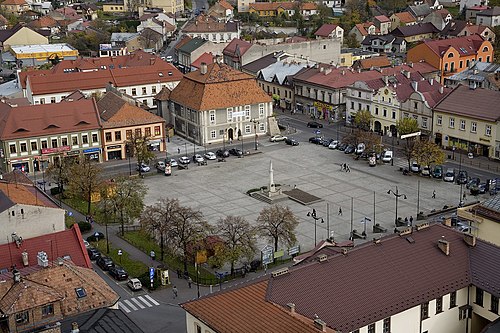
Bochnia is a historic town located in southern Poland, approximately 40 kilometers east of Kraków. With a population of around 30,000 residents, it is one of the oldest towns in the country, having received its town rights in 1253. Situated at the foot of the Beskid mountains, Bochnia is along the path of the Vistula River, providing it with a picturesque landscape that has attracted visitors for centuries. The town is particularly famous for its salt mine, which is one of the oldest in Europe and a UNESCO World Heritage Site. The Bochnia Salt Mine, established in the 13th century, was in operation until the late 1990s and features an extensive network of galleries, chambers, and lakes, drawing tourists and offering insights into the region's rich mining history.
Bochnia is characterized by its well-preserved medieval architecture, including the charming town square (Rynek), which is adorned with spacious market buildings and historical houses. Notable landmarks include the Church of St. Nicholas, which dates back to the 16th century, and various remnants of its Gothic past. The town also celebrates its cultural heritage through festivals and local events, fostering a strong community spirit. Bochnia serves as a gateway to explore the surrounding Malopolska region, known for its natural beauty and historical significance. The area's proximity to Kraków, combined with its own unique attractions, makes Bochnia an appealing destination for visitors interested in the history and traditions of Poland while providing modern amenities to its residents.
Facts about Bochnia
- Bochnia is home to one of the oldest salt mines in the world, the Bochnia Salt Mine, which was founded in the 13th century and is a UNESCO World Heritage Site.
- The Bochnia Salt Mine features unique underground chapels, including the Chapel of St. Kinga, which is entirely carved from salt and showcases stunning sculptures and artwork.
- Bochnia is known for its rich salt mining history, which significantly contributed to the town's economic development and attracted various traders and craftsmen over the centuries.
- The town played an important role during World War II, as it was near the site of the Bochnia concentration camp, which was part of the Nazi German camp system.
- Bochnia hosts a unique 'Salt Works' entertainment area, combining historical aspects of the salt mine with modern attractions, such as underground boat rides and a mini-golf course.
- Bochnia is renowned for its local festivals, particularly the Bochnia Salt Festival, which celebrates the town's salt mining heritage through cultural events, music, and traditional cuisine.
- The town's old market square features beautifully preserved Renaissance and Baroque architecture, distinguishing it from many other Polish towns that underwent extensive modernization.
- Bochnia is surrounded by picturesque landscapes, including the nearby Bochnia Hills, which provide opportunities for hiking and nature enthusiasts, setting it apart from more urban areas.
- The town has a vibrant local community with a strong emphasis on promoting cultural heritage and traditions, differentiating it from larger Polish cities that might be more cosmopolitan.
- Bochnia has a significant Polish-Jewish history, with a community that thrived before the war, and it features memorials that commemorate this important aspect of its past.