Bogra, Bangladesh
- 210,000 people
- 5 places to visit
- 24.8526, 89.373
Places to Visit (5)
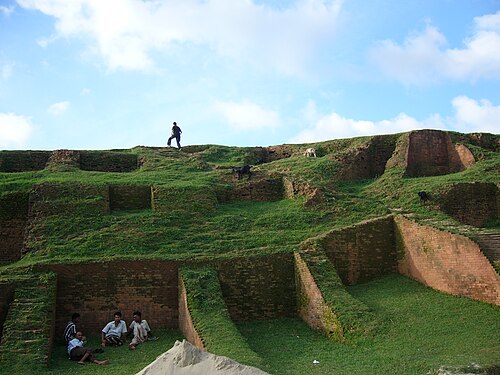
Bogra, located in the northwestern region of Bangladesh, is a prominent city and the administrative center of Bogura District. Known for its rich history and strategic position, Bogra plays a vital role in the cultural and economic landscape of the country. The city is approximately 200 kilometers north of Dhaka, the capital of Bangladesh, and serves as a key transportation hub connecting various regions via road and rail. Its population is diverse, comprising various ethnic groups and communities, contributing to a vibrant cultural milieu.
Historically significant, Bogra boasts several archaeological sites, including Mahasthangarh, one of the oldest urban archaeological sites in Bangladesh, believed to date back to at least the 3rd century BCE. This UNESCO World Heritage site provides insight into ancient civilizations that thrived in the region, particularly the Pundravardhana kingdom. Additionally, the historic Gokul Medh, a large mound and an ancient burial site, illustrates the city’s long-standing connection to various dynasties and empires. The presence of such historical landmarks attracts both local and international tourists, reinforcing Bogra's importance in the heritage tourism sector.
In contemporary times, Bogra is known for its agricultural productivity, particularly in rice, jute, and various fruits and vegetables. The city has developed a robust economy that relies heavily on agriculture while also fostering small-scale industries and trade. Markets bustling with activity reflect the city's role as a center for commerce in the region. Despite facing challenges such as urbanization and infrastructural development, Bogra continues to evolve, balancing its rich historical legacy with the demands of modern urban life, making it a unique and dynamic city in Bangladesh.
Facts about Bogra
- Bogra is known for the ancient Mahasthangarh, one of the earliest urban archaeological sites in Bangladesh, believed to date back to the 3rd century BC.
- The city is famous for its historical association with the Pundravardhana region, which was an important center of trade and culture in ancient Bengal.
- Bogra is home to the Bogra Fort, a significant historical site that reflects the Mughal architecture of the region.
- The city hosts the annual Bogura Chamber Music Festival, celebrating local music and arts, which sets it apart as a cultural hub.
- Bogra is renowned for its rice production, particularly the renowned 'Bogra Basmati,' contributing significantly to the agricultural output of Bangladesh.
- It has a vibrant economy with a focus on trade, specifically in textiles and jute products, making it a key commercial center in northern Bangladesh.
- The picturesque Afin Lake in Bogra is a popular recreational spot and is unique to the city, attracting both locals and tourists.
- Bogra serves as a transit hub between Dhaka and northern districts, making it strategically important in terms of transportation and logistics.
- The city has a diverse population that encompasses various ethnicities and communities, contributing to its rich cultural tapestry.
- Bogra is home to several educational institutions, including the prestigious Bogura Polytechnic Institute that stands out in the region for technical education.