Bolesławiec, Poland
- 40,682 people
- 9 places to visit
- 51.2659, 15.5657
Places to Visit (9)
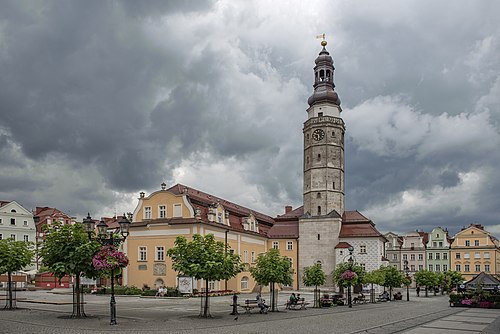
Bolesławiec, a city located in southwestern Poland, is known primarily for its rich history and cultural heritage, particularly its association with the production of traditional pottery. Situated in Lower Silesia, the city has long been a hub of ceramic craftsmanship, with its distinctive stoneware being recognized for its quality and unique patterns. The tradition of pottery in Bolesławiec dates back to the 14th century, and today, the city hosts numerous workshops and factories that produce hand-painted ceramics sought by collectors and home enthusiasts around the world. The annual Bolesławiec Pottery Festival attracts thousands of visitors, celebrating the art form and showcasing a wide array of handcrafted items.
In addition to its pottery legacy, Bolesławiec features a charming town center with an array of historical architecture. The town's roots can be traced back to the early medieval period, with significant developments occurring in the 18th and 19th centuries, including the construction of the Church of Saint Stephen, a notable baroque structure. The city is also connected to various historical events, having been part of Silesia which has changed hands through centuries of political strife, including periods of involvement in the German Empire and later, post-World War II adjustments when it became part of Poland. Modern Bolesławiec is a vibrant city that embraces its historical significance while also accommodating contemporary developments. Local amenities, cultural events, and a strong sense of community contribute to a welcoming atmosphere for residents and visitors alike.
Bolesławiec is also well-connected by the Polish transport network, making it easily accessible for those interested in exploring the surrounding Lower Silesian region. Natural attractions such as the nearby Kaczawskie Mountains and the River Bóbr provide opportunities for outdoor activities like hiking and cycling. With its blend of history, art, and natural surroundings, Bolesławiec stands out as a unique destination in Poland, reflecting both its rich past and an engaged local culture. As the city continues to grow and evolve, it remains a significant center for pottery, drawing in tourists while fostering local pride in its artisanal traditions.
Facts about Bolesławiec
- Bolesławiec is renowned for its distinctive pottery, known as 'Bolesławiec pottery' or 'Bolesławiec ceramics,' which features hand-painted designs and is celebrated worldwide.
- The city holds an annual International Pottery Fair, attracting artisans and visitors from around the globe, making it a focal point for ceramic enthusiasts.
- Bolesławiec has a rich history dating back over 1,000 years, having received town rights in 1262, and was once an important center for trade in ceramics.
- The city is home to the 18th-century Church of Saint Mary Magdalene, an impressive example of baroque architecture with striking interiors.
- Bolesławiec was historically significant as part of the Hanseatic League, facilitating trade between various European towns.
- The Bolesławiec Historic Market Square is one of the largest in Poland and features beautifully preserved 19th-century buildings, contributing to the city's unique charm.
- The town is located near the Kwisa River, providing scenic views and recreational opportunities that enhance its appeal to visitors.
- Bolesławiec strategically served as a military and economic hub throughout history, especially during the Silesian Wars.
- The craftsmanship of Bolesławiec pottery has been recognized with several awards, including those for design and sustainable production methods.
- Local legends, including tales of pottery-making traditions, are an integral part of Bolesławiec's cultural identity, distinguishing it from other Polish towns.