Bolton, United Kingdom
- 141,331 people
- 18 places to visit
- 53.5769, -2.4282
Places to Visit (18)
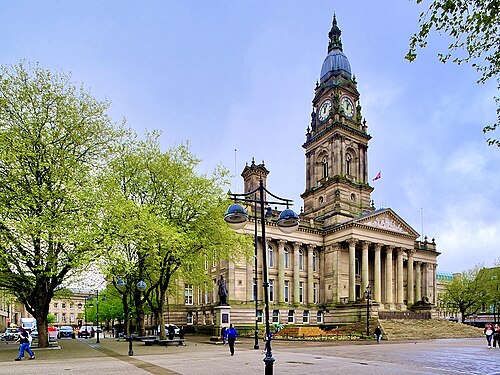
Bolton is a town located in Greater Manchester, England, known for its rich industrial heritage and vibrant cultural scene. Historically part of Lancashire, Bolton developed rapidly during the Industrial Revolution, becoming a significant center for textile manufacturing. The town's strategic location, situated about 10 miles northwest of Manchester, facilitated its growth as a hub for cotton production and other industries. By the mid-19th century, Bolton's population had surged, driven by an influx of workers seeking employment in the cotton mills. This industrial boom left a lasting impact on the town, evident in its architecture and economic landscape.
Today, Bolton is characterized by a diverse community and a mix of urban and rural environments. The town features various amenities, including shopping centers, parks, and cultural attractions. Notable landmarks include Bolton Museum and Art Gallery, which houses collections that reflect the town's history and heritage, as well as the Albert Halls, a venue for performing arts. Bolton's economic base has diversified, shifting from traditional manufacturing to include sectors such as retail, healthcare, and education. The presence of several educational institutions, including the University of Bolton, has further contributed to the town's appeal as a place for students and families.
Transport links in Bolton are well-developed, with the town benefiting from access to major motorways and a railway network that connects it to nearby cities. The town is also served by public buses, making it convenient for residents and visitors to navigate the area. Bolton's community spirit is reflected in local events and festivals, such as the Bolton Food and Drink Festival, which showcases regional cuisine and celebrates the town's cultural richness. Overall, Bolton is a dynamic town that balances its historical roots with modern living and opportunities, making it an attractive place for both residents and visitors.
Facts about Bolton
- Bolton was once a major center for the textile industry during the Industrial Revolution, particularly known for cotton spinning.
- The town is home to the Bolton Food and Drink Festival, one of the largest festivals of its kind in the UK, attracting culinary enthusiasts from across the country.
- Bolton's iconic Town Hall, completed in 1873, is an impressive example of neo-Classical architecture and is a Grade I listed building.
- The Reebok Stadium, now known as the University of Bolton Stadium, is the home of Bolton Wanderers Football Club and has hosted several high-profile events, including the Rugby League World Cup.
- Bolton is known for its rich sporting heritage, particularly in sports like rugby and cricket, with many local clubs having a long history of tradition.
- The town has a unique connection to the famous writer Elizabeth Gaskell, who was born in Chelsea but wrote extensively about life in Bolton in her novels.
- Bolton's Museum and Art Gallery houses one of the finest collections of watercolors in the UK and features works by renowned artists such as J.M.W. Turner.
- The Leverhulme Park is notable as the legacy of local philanthropist William Hesketh Lever, who founded Unilever and made significant contributions to the community.
- Bolton is one of the few towns in the UK that boasts its own dedicated football museum, highlighting its rich history in the sport.
- The town has a vibrant multicultural community, reflected in its diverse range of restaurants and annual cultural festivals celebrating various heritages.