Borken, Germany
- 40,876 people
- 7 places to visit
- 51.8489, 6.8599
Places to Visit (7)
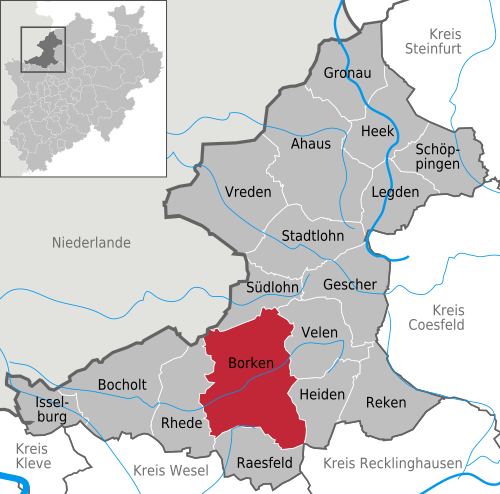
Borken is a town located in the North Rhine-Westphalia region of Germany, specifically in the district of Borken, which is part of the Münsterland area. With a population of approximately 41,000 residents, Borken serves as an important administrative and economic center for the region. The town is characterized by a mix of historical architecture and modern amenities, making it a charming destination for both residents and visitors. Borken’s history dates back to its first documented mention in the 11th century, and today, remnants of its past can still be seen in the form of well-preserved buildings and monuments.
The town is well-known for its picturesque landscapes, featuring a blend of rural charm and urban convenience. Borken is surrounded by cycling and hiking trails that traverse the lush countryside, making it appealing to outdoor enthusiasts. The local economy benefits from various sectors, including agriculture, retail, and small to medium-sized enterprises, contributing to the town's overall stability and growth. Borken also boasts a range of cultural and recreational activities, including annual events like the Borkener Stadtfest and various local markets that highlight the region's traditions and community spirit. Additionally, the town’s well-connected transportation network facilitates easy access to nearby cities, enhancing its appeal as a commuter town for those working in larger urban areas such as Münster and Bochum.
Borken has several educational institutions, including schools offering primary and secondary education, and it promotes lifelong learning through adult education programs. The local government prioritizes community welfare, environmental sustainability, and the integration of various cultural influences, reflecting the diverse population and their needs. With its blend of historical significance, modern infrastructure, and vibrant community life, Borken presents a unique tapestry of life in the heart of Germany, appealing to those seeking both cultural depth and quality of life.
Facts about Borken
- Borken is known for its historical significance as a trading town, dating back to the Middle Ages, which is reflected in its well-preserved architecture.
- The city hosts the Westphalian Museum of Industrial Culture, which showcases the region's industrial heritage, particularly in textiles and manufacturing.
- Borken is surrounded by a network of canals, a remnant of the once-thriving inland shipping industry that played a crucial role in its economic development.
- The city features the striking St. Remigius Church, a significant example of Gothic architecture and an important landmark in the area.
- Borken is located on the edge of the Hohe Mark Nature Park, making it a popular destination for outdoor enthusiasts and nature lovers.
- The annual Borkener Stadtfest celebrates the local culture and community, highlighting regional foods, crafts, and music with activities for all ages.
- Borken is home to the Borken Castle ruins, providing visitors with a glimpse into the city's medieval past and its former fortifications.
- The city is recognized for its commitment to sustainability, promoting various green initiatives and eco-friendly projects within the community.
- Borken has a vibrant twin-town program, with partnerships that foster cultural exchange, including connections with towns in France and the Netherlands.
- The region around Borken is known for its historical windmills, some of which are still operational and attract tourists interested in traditional crafts.