Borne, Netherlands
- 20,550 people
- 16 places to visit
- 52.3002, 6.7537
Places to Visit (16)
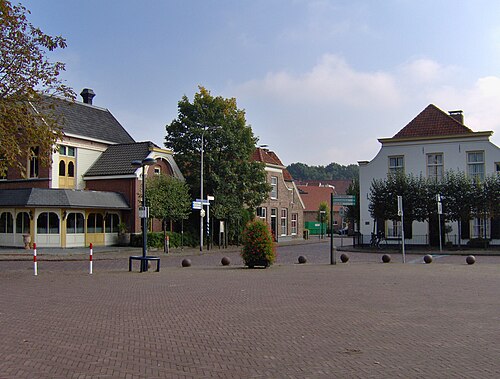
Borne is a picturesque municipality and town located in the Twente region of the Netherlands, in the province of Overijssel. Situated approximately 10 kilometers northeast of Enschede, it serves as a vital local hub due to its strategic position within the wider area. Borne merges historical charm with modern living, characterized by its urban infrastructure and surrounding natural landscapes. The town's history can be traced back to the 11th century, with evidence of early settlements and development reflected in its architecture, including traditional houses and churches. Borne's notable structure, the St. Stephanus Church, showcases Neo-Gothic design and stands as a focal point in the town.
The economy of Borne has evolved considerably over the years. Originally agrarian, the town has seen the establishment of various industries and enterprises, contributing to its local economy. Borne is well-connected by road and rail, facilitating accessibility for both residents and visitors. The municipality offers a mix of recreational facilities, parks, and cultural activities, fostering a vibrant community atmosphere. Annual events, such as the Borne Fair, attract local participation and enhance community spirit. Nature lovers appreciate the surrounding countryside, which features scenic landscapes, ideal for walking and cycling. Additionally, Borne's location allows easy access to larger cities like Twente and Almelo while maintaining a quiet, suburban lifestyle that appeals to families and individuals alike. This combination of history, economy, and community ensures Borne remains a desirable place to live and visit in the Netherlands.
Facts about Borne
- Borne is known for its unique annual event called the 'Borne's Carnaval,' which showcases colorful parades and community festivities.
- The town has a rich historical background with the presence of the medieval Borne Castle, which dates back to the 12th century, although it is mostly in ruins today.
- Borne is situated on the Twente Canal, which was constructed in the early 19th century, providing significant economic benefits to the region through improved trade routes.
- The town has a well-preserved historic center, featuring charming streets and traditional Dutch architecture, which attracts tourists and residents alike.
- Borne was the birthplace of the famous Dutch singer-songwriter Herman van Veen, who has made significant contributions to Dutch music and arts.
- Home to the distinctive 'Synagogue of Borne,' built in the late 19th century, the town reflects the once-thriving Jewish community before WWII.
- Borne is part of the Twente region, known for its unique dialect, 'Twents,' which sets it apart from other areas in the Netherlands.
- The town hosts the 'Borne Blues Festival,' which draws local and international blues artists and enthusiasts, making it a cultural hotspot.
- Borne is actively involved in sustainable initiatives, including community gardens and recycling programs, positioning itself as an eco-friendly town.
- The local industry in Borne is diverse, with a strong emphasis on manufacturing and technology, making it a key player in the Twente economic region.