Bottrop, Germany
- 119,909 people
- 13 places to visit
- 51.5291, 6.9447
Places to Visit (13)
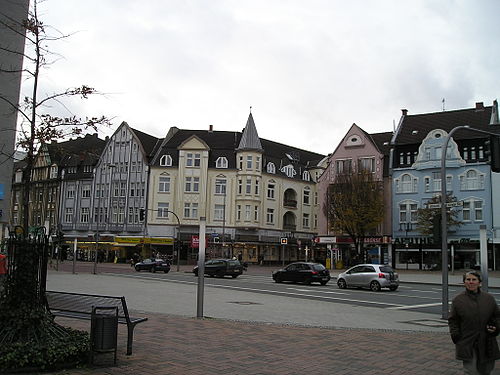
Bottrop is a city located in North Rhine-Westphalia, Germany, within the Ruhr area, which is renowned for its industrial history. With a population of approximately 117,000 residents, Bottrop is notable for its transformation from a coal mining hub to a modern urban environment. The city’s origins date back to the 19th century, when coal mining became the backbone of its economy, leading to significant growth and development. The industry started to decline in the latter part of the 20th century, prompting Bottrop to seek diversification and modernize its economic base.
Today, Bottrop is characterized by a mix of industrial heritage and modern amenities. It is home to several parks and green spaces, such as the Stadtgarten and Gelsenkirchener Strasse, which provide recreational opportunities for residents. The city also features cultural institutions, including the Bottrop Theater and various museums, that contribute to the local cultural scene. One of the distinctive landmarks of Bottrop is the Tetrahedron, a large geometric structure created as part of an art project in the 1990s, which serves as an observation point and is one of the highest viewing platforms in the Ruhr area. Additionally, Bottrop has invested in sustainability and renewable energy, striving to become a model city for green technology and urban development.
Bottrop enjoys a strategic location, with excellent transportation links to other major cities in the region, including Essen, Duisburg, and Dortmund. The city's infrastructure supports both residents and businesses, making it an attractive place for investment and innovation. Furthermore, Bottrop celebrates its multicultural makeup with numerous initiatives aimed at integrating its diverse population. As it continues to evolve, Bottrop embraces its historical roots while focusing on sustainable growth and community development, making it a vibrant part of the Ruhr area’s legacy.
Facts about Bottrop
- Bottrop is home to the Tetraeder Bottrop, a gigantic tetrahedron-shaped observation tower that stands 60 meters tall and offers panoramic views of the surrounding area.
- The city is known for its unique mining history, particularly its role in coal mining, which has greatly influenced its development and culture.
- Bottrop was one of the first cities in Germany to introduce a comprehensive public bicycle rental system, promoting sustainable transportation.
- While Bottrop has a significant industrial past, it is also notable for its efforts to transform into a green city, featuring numerous parks and green spaces, including the large Stadtgarten.
- Bottrop hosts the Grugapark, a large public park featuring various botanical gardens, a petting zoo, and concert venues, making it a cultural hub in the region.
- The city has a notable diversity in cultural events, including the Bottroper Weihnachtsmarkt, a charming Christmas market that attracts visitors from all over.
- Bottrop is part of the Ruhr area, one of Germany's most densely populated and economically vibrant regions, renowned for its cultural diversity and regeneration.
- The city is also known for the 'Bottroper Sparkasse', which is notable for being one of the first municipal savings banks established in Germany.
- Bottrop was awarded the title 'Fair Trade City,' recognizing its efforts in promoting fair trade products and ethical consumption.
- The city has a unique art scene, particularly through public art projects and exhibitions like the Bottrop International Short Film Festival, showcasing local and international talent.