Botucatu, Brazil
- 148,130 people
- 13 places to visit
- -22.8873, -48.4447
Places to Visit (13)
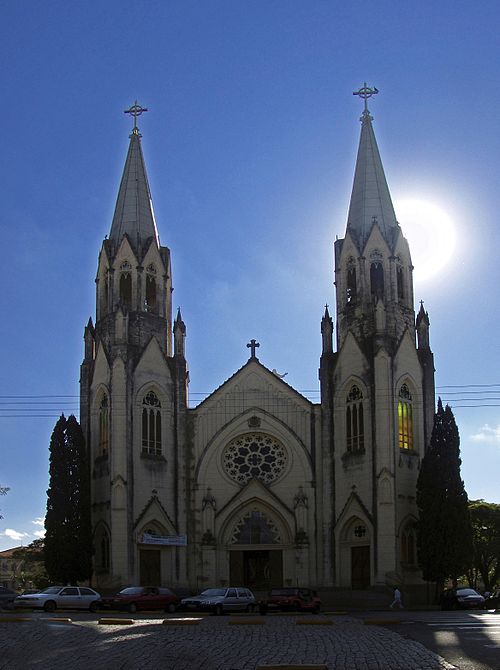
Botucatu is a municipality situated in the state of São Paulo, Brazil, approximately 240 kilometers northwest of the city of São Paulo. With a population of around 150,000 residents, it is known for its rich historical background and natural beauty. The name "Botucatu" derives from the indigenous Tupi language, meaning "place where there are many waters," a reference to the region's numerous rivers and springs. Founded in 1855, the city has evolved from a small settlement into a significant urban center, playing an important role in local agriculture, commerce, and education.
The city is characterized by its lush landscapes, featuring hills, valleys, and waterfalls, making it a popular destination for ecotourism. The surrounding area is home to various parks and natural reserves, such as the Parque Municipal de Botucatu, which offers extensive trails for hiking and exploring the region’s biodiversity. Botucatu is also notable for its cultural heritage; it boasts several historic constructions, including churches and colonial-era buildings, which reflect the local history and traditions. The city is a center for education and research, housing the important Universidade Estadual Paulista (UNESP), which contributes to its reputation as an academic hub.
Economically, Botucatu thrives on diverse sectors, with agriculture being a key contributor to the local economy. The fertile lands in the region support the cultivation of various crops, including coffee, sugarcane, and oranges. In recent years, the city has diversified into industries such as manufacturing and services, further strengthening its economic profile. The local festivals, cuisine, and vibrant community life enhance Botucatu’s charm, making it a unique blend of natural beauty, cultural significance, and economic vitality, attracting both residents and visitors alike.
Facts about Botucatu
- Botucatu is known for its unique geological formations, notably the Botucatu sandstone, which is important for both its natural beauty and its contributions to the region's construction industry.
- The city is home to the renowned 'Municipal Botanical Garden of Botucatu,' one of the largest botanical gardens in the state of São Paulo, featuring a diverse collection of native Brazilian flora.
- Botucatu boasts a rich history, having been founded in 1653, making it one of the older settlements in Brazil, with a deep-rooted cultural heritage visible in its architecture and traditions.
- The city is renowned for its annual 'Festa de São Benedito,' a religious festival that blends faith, culture, and local traditions, attracting many visitors each year.
- Botucatu operates a technological university, UNIFACVEST, which has been pivotal in advancing education and innovation in the region, distinguishing it from many other municipalities.
- The city is surrounded by beautiful natural landscapes, including the 'Canyon de Variedade,' which offers hiking opportunities and stunning views, drawing nature enthusiasts.
- Botucatu has established itself as a center for agriculture, particularly in the production of citrus fruits, which significantly contribute to its local economy.
- The city is home to several historical churches, including the beautiful 'Igreja São Benedito,' showcasing colonial architecture unique to the region's religious history.
- Botucatu has a strong commitment to sustainability and environmental conservation, exemplified through its initiatives to preserve the local ecosystem and promote green spaces.
- It is known for the 'Beco do Batman' alley, an open-air gallery of street art, which highlights the creative community and attracts art lovers from various places.