Bouaké, Côte d'Ivoire
- 832,371 people
- 3 places to visit
- 7.6905, -5.0391
Places to Visit (3)
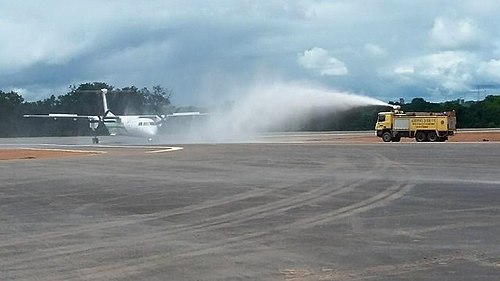
Bouaké, the second-largest city in Côte d'Ivoire, is located in the center of the country and serves as a vital economic and cultural hub. With a population of approximately 600,000 inhabitants, Bouaké is situated about 350 kilometers north of the economic capital, Abidjan. Originally founded in the late 19th century, the city emerged as a significant center due to its strategic location along major transport routes, particularly the railway that connects Abidjan to Ouagadougou, the capital of Burkina Faso. Bouaké's economy is predominantly driven by agriculture, with surrounding areas producing crops such as cocoa, coffee, and palm oil, contributing to the nation’s status as one of the world's largest cocoa exporters.
Throughout its history, Bouaké has faced various challenges, especially during the civil conflict that began in the late 1990s and escalated in the early 2000s, leading to significant social and economic disruptions. Despite these challenges, the city has shown resilience and has been undergoing reconstruction efforts. The local infrastructure has improved, including the construction of new roads and the rehabilitation of public services, which has bolstered trade. Bouaké is characterized by its vibrant culture, with several festivals and traditional events that celebrate the diverse ethnic groups in the region. The city is also home to educational institutions, such as the University of Bouaké, which contributes to the local workforce and promotes higher education. Today, Bouaké stands as a testament to the spirit of recovery and growth, playing a critical role in the economic landscape of Côte d'Ivoire.
Facts about Bouaké
- Bouaké is the second largest city in Côte d'Ivoire, located in the central part of the country.
- The city is known for its significant role in the Ivorian Civil War, serving as a stronghold for the rebel forces during the conflict.
- Bouaké is home to the largest university in Côte d'Ivoire, Université de Bouaké, which offers a wide range of academic programs.
- The city is recognized for its vibrant cultural scene, including traditional music and dance, notably the Gwoza mask dance.
- Bouaké features the historic 'Pont de Bouaké,' an important bridge that connects different parts of the city and symbolizes its development.
- The city is a major agricultural hub, particularly known for its production of yams and cocoa, contributing significantly to the national economy.
- Bouaké hosts the International Festival of Arts and Culture, which showcases local and international artists, promoting cultural exchange.
- Bouaké has a diverse population, consisting of various ethnic groups, which contributes to its rich cultural tapestry.
- The city is strategically located along the north-south transport corridor, making it an important trade and logistics center in the region.
- Bouaké plays host to several significant markets, such as the Bouaké Central Market, known for its wide range of goods and vibrant atmosphere.