Bourges, France
- 67,987 people
- 15 places to visit
- 47.0812, 2.398
Places to Visit (15)
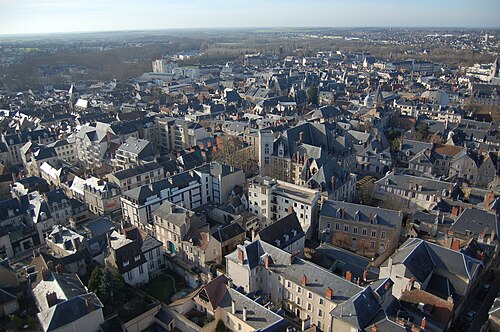
Bourges is a city located in the central region of France, serving as the capital of the Cher department in the Nouvelle-Aquitaine region. Historically significant, Bourges has a rich heritage that dates back to ancient times, with origins as a prehistoric settlement. The city was known as Avaricum during the Roman era, where it served as an important administrative center. Its strategic location at the intersection of major routes facilitated commerce and cultural exchange, contributing to its development over the centuries. Bourges is particularly noted for its stunning Gothic cathedral, the Cathedral of Saint-Etienne, which is a UNESCO World Heritage site. Constructed from the 12th to the 13th centuries, the cathedral is renowned for its remarkable architecture and intricate stained-glass windows, attracting visitors and scholars alike.
In addition to its architectural significance, Bourges is home to various historical sites and cultural institutions that reflect its vibrant past. The Palais Jacques-Coeur, a 15th-century residence of a wealthy merchant, exemplifies Flamboyant Gothic architecture and is another notable attraction. The city also hosts the Festival of Music, known as Printemps de Bourges, which takes place annually and features a wide array of musical genres, drawing artists and audiences from across the nation and beyond. The charming streets of Bourges are lined with half-timbered houses, quaint shops, and cafes, providing a picturesque setting for visitors to explore its medieval districts. With its combination of history, culture, and artistic expression, Bourges maintains a unique identity that reflects both its provincial roots and its historical significance in France. Today, it stands as a cultural crossroads, celebrated for its contributions to the arts and its preservation of architectural heritage.
Facts about Bourges
- Bourges is home to the stunning Cathédrale Saint-Étienne, a UNESCO World Heritage Site, known for its remarkable stained glass windows and unique architectural style that showcases the transition from Romanesque to Gothic.
- The city is famous for its historical center, which is one of the finest examples of medieval urban planning, featuring narrow streets and timber-framed houses that date back to the 15th century.
- Bourges was the birthplace of the poet and playwright George Sand, who was a prominent literary figure in the 19th century and an influential precursor of the feminist movement.
- The city hosts the International Crafts Fair (Bourges International Crafts Fair), one of the largest fairs in Europe dedicated to artisan crafts, held annually in October.
- Bourges is known for its impressive Jacques-Coeur Palace, which was built in the 15th century for a wealthy merchant and is an excellent example of Gothic architecture.
- The city is also recognized for its gastronomy, particularly its regional specialties such as 'Bourges lentils', highly regarded for their quality and taste.
- Bourges has been a significant cultural center since the Middle Ages and has a rich history as the capital of the historical province of Berry.
- The city celebrates the annual 'Bourges International Festival of Contemporary Music' (Printemps de Bourges), which attracts artists and music lovers from all over the world.
- Bourges is surrounded by the Berry region, known for its beautiful natural landscapes, including the national parks and forests in the vicinity, making it a unique getaway for nature enthusiasts.
- The city played a crucial role in the French Wars of Religion during the 16th century and has numerous historical sites related to these events, distinguishing it from many other French towns.