Bragança, Portugal
- 34,375 people
- 6 places to visit
- 41.8061, -6.7567
Places to Visit (6)
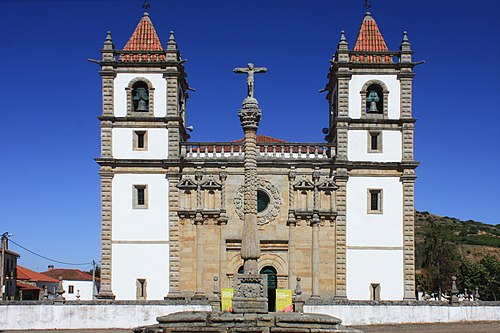
Bragança is a municipality and city located in northeastern Portugal, and it serves as the capital of the Bragança District. Situated in the Trás-os-Montes region, it lies at an elevation of approximately 800 meters above sea level, surrounded by the natural beauty of the Northeast Transmontano landscape. The city is characterized by its rich historical heritage, with origins dating back to prehistoric times. Throughout its history, Bragança has been influenced by various cultures and civilizations, including the Romans and Moors, contributing to its unique architectural and cultural landscape.
One of the most notable landmarks in Bragança is the Castle of Bragança, a well-preserved medieval fortress that dates back to the 12th century. The castle is an important symbol of the city and offers panoramic views of the surrounding area. The city also features the Domus Municipalis, a Romanesque building from the 12th century that once served as the municipal hall, making it one of the few structures of its kind still in existence. The Igreja de São Vicente, a prominent church adorned with intricate Baroque elements, further highlights the architectural diversity found within the city. In addition to its historical sites, Bragança boasts a vibrant local culture, famous for its traditional cuisine, prominently featuring dishes like "posta à mirandesa" and "alheiras," which reflect the gastronomic heritage of the region.
Bragança itself is a hub for agriculture and craft production, with the surrounding countryside known for its vineyards and olive groves. In recent years, the city has also focused on promoting tourism, encouraging visitors to explore its rich history, stunning landscapes, and vibrant festivals. The annual São João festivities in late June illustrate the city’s lively spirit, showcasing traditional music, dance, and local cuisine. Accessibility to Bragança is facilitated by road transport, although the region retains a tranquil ambiance, making it an attractive getaway for those looking to experience the charm of rural Portugal. As a gateway to the stunning natural parks in the area, such as Parque Natural de Montesinho, Bragança serves as a blend of historical allure and natural beauty, integral to the cultural fabric of Portugal.
Facts about Bragança
- Bragança is one of the least populated districts in Portugal, making it a quieter, more tranquil destination compared to other cities in the country.
- The city is home to the impressive Bragança Castle, a well-preserved medieval structure that dates back to the 12th century and is unique for its double-walled defenses.
- Bragança is known for its traditional savory pastry, 'Cachaço', made with layers of dough and pork, distinguishing it from the more common pastries found elsewhere in Portugal.
- The city celebrates its own unique festival, the 'Festa de São Sebastião', which includes processions and traditional music, highlighting local cultural traditions.
- Bragança serves as the gateway to the stunning Natural Park of Montesinho, offering unparalleled access to some of Portugal's most untouched natural landscapes.
- The region is famous for its rich production of smoked meats, particularly 'Enchidos', which are recognized for their unique flavor and craftsmanship.
- Bragança features the iconic Dom Afonso II statue, commemorating the King known for his efforts in the Reconquista, which is a distinct historical reference specific to the region.
- The city maintains a strong Roman heritage, evidenced by remains of Roman walls and structures found throughout Bragança, setting it apart from other Portuguese towns.
- Bragança's geographical location near the border with Spain gives it a unique cultural blend not found in many other Portuguese cities.
- The local modern art scene in Bragança is highlighted by the Museu Municipal, which hosts contemporary exhibits that often feature up-and-coming Portuguese artists.