Brăila, Romania
- 213,569 people
- 16 places to visit
- 45.2652, 27.9595
Places to Visit (16)
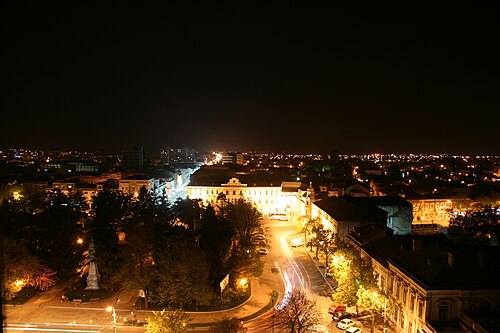
Brăila is a port city located in southeastern Romania, situated on the banks of the Danube River. With a rich history that dates back to ancient times, Brăila has been a significant commercial center and an important transportation hub due to its strategic position. The city was first mentioned in historical records in the 14th century, although its origins likely trace back to the Greek and Roman periods. Throughout the centuries, Brăila experienced periods of prosperity as well as decline, influenced by various factors such as trade, wars, and shifting political alliances. During the 19th century, it emerged as one of the key ports in the region, fostering economic growth through trade with various European powers.
The architecture of Brăila reflects its multicultural heritage, showcasing a blend of different styles influenced by its history of Ottoman, Jewish, and Greek communities. Notable landmarks include the National Museum of Brăila, which houses artifacts related to the history and culture of the area, as well as several historic churches and the impressive Carol I Park. The city also features a lively cultural scene, with events such as theater performances and music festivals celebrating both local and national traditions. The economy of Brăila today is supported by shipping, agriculture, and various industries, while the city continues to play a vital role in Romania's logistics and trade networks. With a population of approximately 180,000 residents, Brăila remains an important urban center, balancing its rich history with modern developments.
Facts about Brăila
- Brăila is known for its rich maritime history as it is located on the banks of the Danube River and has been a significant port city since the medieval era.
- The city features a unique architectural blend, with influences from various cultures, including Ottoman, Austrian, and Italian, visible in its historic buildings and monuments.
- Brăila is home to the famous Brăila Fortress, originally built in the 15th century, which played a crucial role in the defense against Ottoman invasions.
- The city's annual Brăila Maritime Festival celebrates its nautical heritage and attracts visitors with events showcasing traditional crafts, food, and music.
- Brăila boasts the largest port on the Danube in Romania, serving as a key hub for shipping and trade in the region.
- The Brăila City Hall, completed in 1911, is an architectural gem known for its distinctive clock tower and neo-Romanian style.
- Brăila's iconic 'Cuibul cu Baroch' (The Baroque Nest) is a well-known former café and cultural landmark that has hosted numerous literary and artistic events.
- The city has a vibrant cultural scene, including theaters such as the Maria Filotti Theater, which showcases a mix of local and international performances.
- Brăila's proximity to the Danube Delta, a UNESCO World Heritage site, allows for unique ecological and recreational opportunities, distinguishing it from other cities in Romania.
- The Brăila-based literary group 'Astrolabul' has contributed significantly to Romanian literature and boasts a history of influential writers and poets.