Brandenburg an der Havel, Germany
- 59,826 people
- 12 places to visit
- 52.4125, 12.5316
Places to Visit (12)
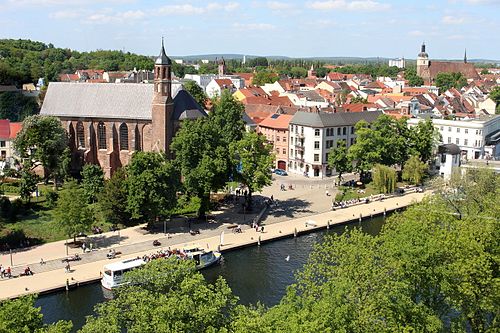
Brandenburg an der Havel is a historic city located in the state of Brandenburg, Germany. Situated approximately 70 kilometers west of Berlin, it lies at the confluence of the River Havel and the river's various branches, making it a significant waterway town. The city, which serves as the capital of the Brandenburg district of the same name, has a rich history that dates back over a thousand years. Brandenburg an der Havel was first mentioned in historical records in the year 927, and by the 12th century, it had become an important center for trade and commerce. The city played a significant role in the formation of the Margraviate of Brandenburg and was one of the early locations of the state’s political power.
Architecturally, Brandenburg an der Havel boasts a variety of historical landmarks, including the stunning St. Peter and Paul Cathedral, which exemplifies Gothic architecture, and the St. Paul’s Monastery, reflecting the city's medieval heritage. The historical district is flanked by picturesque waterways, medieval buildings, and cobblestone streets, providing a charming atmosphere for visitors and residents alike. The city is also known for its extensive network of lakes and canals, which offer numerous recreational opportunities such as boating, cycling, and walking along scenic paths. Cultural events, museums, and local festivals contribute to the vibrant community life, making Brandenburg an der Havel a fascinating destination for both tourists and locals.
Today, Brandenburg an der Havel faces both challenges and opportunities as it continues to evolve in a modern context. The city's integration of green spaces, along with efforts to preserve its historical sites, reflects a commitment to sustainable urban development. The economy relies on a mix of industry, commerce, and tourism, with the local government promoting initiatives for growth and modern infrastructure. Additionally, the city's proximity to Berlin enhances its appeal as a residential location, offering a quieter lifestyle while maintaining easy access to the capital's amenities. Overall, Brandenburg an der Havel represents a blend of rich history and contemporary living, making it a unique spot in Germany’s cultural landscape.
Facts about Brandenburg an der Havel
- Brandenburg an der Havel is one of the oldest towns in Germany, with origins dating back to the 10th century when it served as the capital of the Margraviate of Brandenburg.
- The city has a unique network of lakes and waterways, situated at the confluence of the Havel River and several lakes, making it a popular destination for boating and water sports.
- Brandenburg an der Havel is home to the St. Peter and Paul Cathedral, a remarkable Gothic structure that features a distinctive twin-tower design and dates back to the 14th century.
- The city is known for its medieval Old Town, which boasts many well-preserved historical buildings, including the City Hall and the Brandenburg City Wall.
- Brandenburg an der Havel has a significant historical connection to the Knights Templar, with remnants of their presence still visible in the city, particularly in the form of the Tempelgarten park.
- It is the only city in Germany to have a fully operational paddle steamer fleet, which offers unique scenic tours on the region's waterways.
- The city is recognized for its annual events, such as the 'Brandenburger Havelfest', which celebrates local culture, music, and gastronomy.
- Brandenburg an der Havel has a rich industrial heritage, particularly in the field of machine construction, with many historic factories remaining in the area.
- The city played a central role in the formation of the Federal State of Brandenburg in 1947 and is often viewed as the birthplace of the modern federal structure in Germany.
- Brandenburg an der Havel has a vibrant artistic community, featuring multiple galleries and cultural institutions that celebrate contemporary art, including the Brandenburg Art Association.