Brasilandia, Brazil
- 243,273 people
- 2 places to visit
- -23.4486, -46.6884
Places to Visit (2)
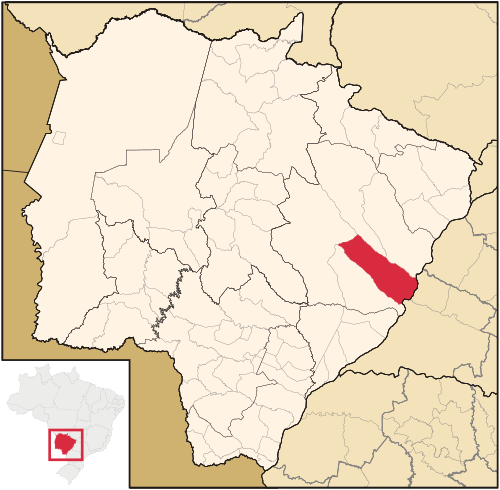
Brasilândia is a municipality located in the state of São Paulo, Brazil. Founded in 1948, it is part of the complex urban metropolitan area, situated about 30 kilometers away from the bustling city of São Paulo. The region has a diverse demographic, with a population that reflects a mixture of urban and rural characteristics, contributing to its unique cultural landscape. Brasilândia is characterized by its growing population, which has surged due to migration from other parts of Brazil, attracted by urban opportunities and the proximity to the economic resources of São Paulo city.
The economy of Brasilândia has historically been based on agriculture, but in recent decades, it has shifted towards more urban-centric industries and services. The municipality boasts a range of small businesses that cater to both local needs and those of neighboring districts. Infrastructure in Brasilândia has improved significantly, with roads and public transportation networks designed to connect it effectively to São Paulo and surrounding areas. However, like many growing urban centers, Brasilândia faces challenges such as housing shortages and environmental concerns. Community initiatives and local government efforts are focused on addressing these issues by promoting sustainable development and improving living conditions for its residents.
Culturally, Brasilândia hosts various events and traditions that reflect the rich heritage of its residents. The community is known for celebrating local festivals, often highlighting regional music, dance, and cuisine that represent the diverse backgrounds of its inhabitants. Education is also emphasized, with several schools and educational institutions aiming to prepare the youth for opportunities both in the local job market and beyond. Overall, Brasilândia stands as an example of a dynamic municipality navigating the complexities of rapid urbanization while striving to maintain its unique identity.
Facts about Brasilandia
- Brasilandia is known for its unique geographic location, situated at the confluence of the Rio Verde and Rio Araguaia, making it a hub for riverine biodiversity.
- The city was established in 1953 and is relatively young compared to many historic towns and cities in Brazil, showcasing modern urban development.
- Brasilandia is distinguished by its predominantly agricultural economy, focusing on the cultivation of fruits, especially mangoes and passion fruit, contributing to regional agriculture.
- Cultural events in Brasilandia, such as the Festa do Peão and local music festivals, reflect a blend of indigenous, African, and Portuguese influences, creating a rich cultural tapestry.
- The city features the Parque Ecológico de Brasilandia, a significant ecological park that promotes conservation and provides recreational spaces for residents and tourists alike.
- Brasilandia has a strong community spirit, demonstrated through various local initiatives aimed at improving education and infrastructure, distinguishing it from more metropolitan areas.
- The local architecture of Brasilandia includes a mix of modern designs and traditional Brazilian styles, offering a unique character not commonly found in more historic cities.
- The region surrounding Brasilandia is home to several indigenous communities, and the city serves as a cultural bridge, fostering awareness and appreciation of indigenous traditions.
- Each year, Brasilandia hosts an annual agricultural fair, showcasing local produce, crafts, and agribusiness innovations, drawing visitors from surrounding regions.
- The city is invested in sustainability, with initiatives aimed at promoting renewable energy sources and sustainable farming practices, setting an example for other towns in Brazil.