Brazzaville, Congo
- 1,982,000 people
- 6 places to visit
- -4.2744, 15.2813
Places to Visit (6)
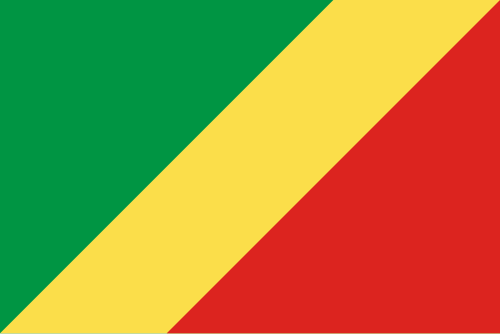
Brazzaville is the capital and largest city of the Republic of the Congo, situated on the Congo River directly across from Kinshasa, the capital of the Democratic Republic of the Congo. Founded in 1880 by the French explorer Pierre Savorgnan de Brazza, the city was established as a French colonial outpost and has since developed into the political and administrative heart of the country. With a population of over 1.8 million inhabitants, Brazzaville serves as a central hub for commerce, transportation, and culture within the region. The city's strategic location along the Congo River allows for significant trade opportunities and connectivity with neighboring countries, including Angola and the Central African Republic.
Brazzaville has a diverse cultural landscape reflected in its architecture, traditions, and art. The city features several important landmarks, including the Basilica of Saint Anne, built in the 1940s, which is known for its stunning architecture and vibrant community activities. The National Museum of the Republic of the Congo showcases the country's rich history and cultural heritage through a range of artifacts and exhibits. Additionally, Brazzaville hosts various festivals throughout the year that celebrate its music, dance, and artistic expression, such as the Nzuimi Festival, which highlights local traditions. Despite facing challenges such as economic disparities and infrastructural issues, Brazzaville remains a city of resilience and growth, striving to improve the quality of life for its residents while embracing its historical legacy and potential for development. The economy is primarily driven by the oil sector, which plays a crucial role in the country's GDP, though agriculture and forestry also contribute significantly. As Brazzaville continues to modernize, it balances its colonial past with contemporary aspirations towards urbanization and economic diversification.
Facts about Brazzaville
- Brazzaville is the capital city of the Republic of the Congo and serves as its political and administrative center.
- The city was founded in 1880 by the French explorer Pierre Savorgnan de Brazza, after whom it is named.
- Brazzaville lies on the Congo River, directly across from Kinshasa, the capital of the Democratic Republic of the Congo, making it one of the nearest capital cities in the world.
- The Basilica of St. Anne is a prominent landmark in Brazzaville, notable for its unique architecture and as a centerpiece for the city’s Catholic community.
- Brazzaville hosts the annual Pan-African Cultural Festival, celebrating the diverse music, art, and culture of the continent and attracting international visitors.
- The city is home to the National Museum of Congo, which showcases artifacts and exhibits related to the country’s history and culture.
- Brazzaville has a notable markets scene, particularly the Poto-Poto market, which is famous for its vibrant local crafts and cuisine.
- The city played a crucial role during the Congo Wars, serving as a base for various political movements and humanitarian efforts.
- Brazzaville's landscape features a mix of colonial-era architecture and modern structures, creating a unique urban environment.
- The city has several parks and green spaces, including the Parc de la Réserve, which contribute to its tropical climate and biodiversity.