Brescia, Italy
- 200,423 people
- 17 places to visit
- 45.5416, 10.2118
Places to Visit (17)
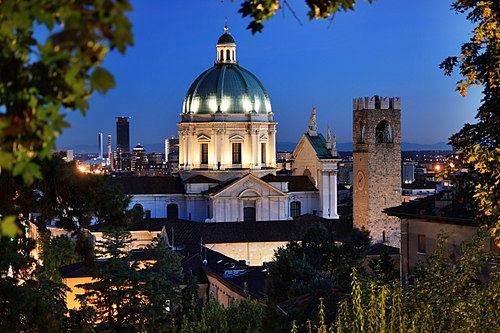
Brescia is a historic city located in the Lombardy region of northern Italy, known for its rich cultural heritage, vibrant economy, and strategic position at the foot of the Alps. Situated approximately 100 kilometers (62 miles) east of Milan, Brescia sits on the ancient Roman road that connected the northern territories to Rome, making it an essential hub throughout history. With a population of around 200,000 residents, Brescia is the second-largest city in Lombardy after Milan, characterized by its unique blend of ancient and modern influences. The city boasts a wealth of architectural marvels, including the UNESCO World Heritage Sites of the Monastery of Santa Giulia and the Roman ruins of the Capitolium, which reflect its prominence during the Roman Empire.
Brescia’s economy is robust, driven primarily by manufacturing and industry, with sectors like mechanical engineering, metallurgy, and robotics playing pivotal roles. The city is often referred to as the "Lioness of Italy" due to its resilience and contributions to Italy's industrial development. Brescia has also gained recognition for its culinary scene, offering delectable local dishes such as casoncelli (stuffed pasta) and polenta. The city hosts a vibrant cultural life, showcasing various events and festivals, including the renowned Mille Miglia, a historic car race that attracts enthusiasts from around the globe. Additionally, Brescia is home to significant public and private art collections, featuring works from the Renaissance, Baroque, and contemporary periods, enriching the cultural tapestry of the region.
With its compelling blend of history, culture, and economic vitality, Brescia reflects the essence of northern Italy. The city's numerous museums, theaters, and educational institutions contribute to its dynamic atmosphere, making it a desirable destination for both tourists and residents. Whether exploring its ancient streets, indulging in its gastronomic delights, or wandering through its picturesque parks and squares, Brescia offers a unique experience that encapsulates the spirit of Italy.
Facts about Brescia
- Brescia is known as the 'Lioness of Italy' due to its valiant resistance against foreign rulers throughout history, particularly during the wars of independence.
- The city boasts the UNESCO World Heritage Site designation for its remarkable archaeological sites, including the Roman Forum, the Capitolium, and the Santa Giulia Museum.
- Brescia is home to the ancient Castello di Brescia, a medieval fortress that offers panoramic views of the city and has a rich history dating back to the 13th century.
- The city celebrates the annual 'Rodotriennale,' a unique festival dedicated to the Italian outdoor furniture and garden design industry, reflecting its commitment to art and design.
- Brescia is the birthplace of renowned Italian composer Luigi Boccherini, known for his work in the classical music genre during the late 18th century.
- One of the key economic drivers of Brescia is its metallurgy industry, which is among the most advanced in Europe, earning it the nickname 'The Steel City.'
- Located in the foothills of the Alps, Brescia offers a unique blend of urban living and natural beauty, with nearby mountains providing opportunities for outdoor activities.
- The city hosts the prestigious Mille Miglia, a classic car race that traces a historic route from Brescia to Rome and back, attracting automotive enthusiasts from around the world.
- Brescia's historic center showcases a mix of architectural styles, including Roman, medieval, and Renaissance, with notable landmarks such as the Duomo Vecchio and Duomo Nuovo.
- The city has a vibrant osteria culture, with traditional taverns serving regional delicacies such as 'casoncelli' (stuffed pasta) and local wines like Franciacorta.