Brest, Belarus
- 362,641 people
- 6 places to visit
- 52.0996, 23.7637
Places to Visit (6)
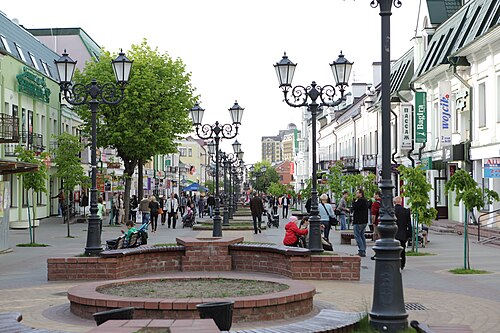
Brest is a prominent city located in southwestern Belarus, near the border with Poland. It serves as the administrative center of the Brest Region and is one of the country’s oldest cities, with a rich history dating back over a thousand years. The city lies at the confluence of the Bug and Mukhavets rivers, making it a significant transportation hub. Brest is famously known for its historical significance, especially during World War II when it was the site of the heroic defense of the Brest Fortress. This fortress has become a national symbol of resistance and bravery, attracting numerous visitors who wish to pay homage to its defenders. Brest's strategic location has also made it a cultural melting pot, influenced by various nations throughout its history.
Modern Brest is a vibrant city that blends its historical heritage with contemporary development. It has undergone significant growth and modernization since gaining independence after the dissolution of the Soviet Union in 1991. The city features a number of parks, theaters, and museums, alongside numerous educational institutions, including the Brest State Technical University. Notable landmarks include the Brest Hero-Fortress, the Church of St. Simeon, and various memorials commemorating the city’s rich historical narrative. Additionally, Brest serves as a regional center for commerce and trade, benefiting from its proximity to international borders. The local economy is supported by industries such as machinery, food processing, and textiles. Brest hosts cultural events and festivals that reflect its diverse heritage, fostering a sense of community and local pride among its residents. With a unique blend of history, culture, and modernity, Brest continues to be a significant city in Belarusian life.
Facts about Brest
- Brest is home to the Brest Hero-Fortress, a UNESCO World Heritage Site and a symbol of Soviet resistance during World War II.
- The city is known for its rich multicultural heritage, having significant Polish, Jewish, and Belarusian influences, reflected in its architecture and local customs.
- Brest is located on the border with Poland, making it a significant transit point between Belarus and the European Union.
- The Brest Railway Station is one of the oldest and most important railway hubs in Belarus, connecting various regional routes.
- Brest is famous for its unique 'Brest Beer' which is brewed using traditional methods and is celebrated in local festivals.
- The city hosts the annual Brest Spring, a large international arts festival that showcases music, dance, and theater from various cultures.
- Brest's unique 'Brest Railway Bridge' was one of the first in the region, with its construction initiated in the late 19th century.
- The city has notable green spaces, including the Brest Central Park, which features beautiful gardens and a variety of recreational activities.
- Brest is also home to the impressive monument 'Courage' which commemorates the defenders of the fortress and stands as a memorial to their bravery.
- The local cuisine in Brest highlights traditional Belarusian dishes, with a focus on locally sourced ingredients and unique flavors that differ from other regions of the country.