Bridgeton NJ, United States
- 25,031 people
- 9 places to visit
- 39.4273, -75.2341
Places to Visit (9)
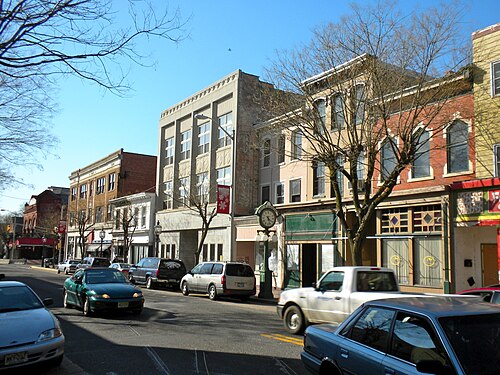
Bridgeton, New Jersey, located in Cumberland County, is a city rich in history and cultural diversity. Established in 1865, it serves as a hub for various industries and commerce, primarily due to its strategic location along the Cohansey River. The city was initially centered around the thriving glass manufacturing industry in the late 19th century, which attracted a diverse population of immigrants seeking opportunities. Over the years, Bridgeton transitioned from its industrial roots to a more service-oriented economy, while still retaining pockets of its historical heritage.
Bridgeton is known for its beautiful parks and outdoor recreational opportunities, with the most notable being the newly revitalized Bridgeton City Park, which offers expansive green spaces, walking trails, and sports facilities. The city is also home to the unique Bridgeton Hall, a historically significant building that reflects the architectural styles of the 19th century. The cultural landscape of Bridgeton is enhanced by several annual festivals and events, including the popular Bridgeton Riverfest, which celebrates local heritage through music, food, and arts. Additionally, the city's diverse population contributes to a rich tapestry of cultural traditions, making Bridgeton a vibrant community where various heritages are celebrated.
In terms of demographics, Bridgeton is home to an estimated population of around 25,000 residents, with a mix of African American, Hispanic, and Caucasian communities. The city has faced challenges, including economic fluctuations and social issues, but local initiatives and community organizations continue to work towards improving living conditions and fostering economic development. Bridgeton is also part of the greater Philadelphia metropolitan area, benefiting from its proximity to major highways and transportation networks, facilitating access to urban resources while maintaining its distinct small-town charm. With ongoing efforts in revitalization and community engagement, Bridgeton remains a city with a promising future, balancing its historical roots with contemporary needs.
Facts about Bridgeton
- Bridgeton is known for its rich history as a thriving transportation hub in the 18th and 19th centuries due to its prime location on the Cohansey River.
- The city is home to the Bridgeton Historic District, which encompasses a variety of architectural styles, including Victorian, Gothic, and Colonial, and features over 250 contributing properties.
- Bridgeton is famous for its annual Bridgeton Bacon Festival, celebrating the local love for bacon and featuring food vendors, live music, and various activities for all ages.
- The city is adjacent to the largest tidal salt marsh in the northeastern United States, the Delaware Bay, which provides unique ecological and recreational opportunities.
- Bridgeton is recognized for the Cohanzick Zoo, one of the oldest zoos in the United States, established in 1934, which features a variety of animals and is free to the public.
- The city emphasizes its rich agricultural heritage with events like the Bridgeton Farmers Market, one of the oldest markets in South Jersey, showcasing local produce and goods.
- Bridgeton has a diverse cultural scene highlighted by its annual cultural events, including the Bridgton International Film Festival, attracting filmmakers and audiences from around the country.
- The city played a significant role in the Revolutionary War, with its strategic location and historical landmarks, including the Bridgeton Courthouse where early colonial meetings were held.
- Bridgeton is a community deeply involved in preserving its natural resources, exemplified by the Clear Space Gallery and Riverfront Park, dedicated to environmental education and conservation.
- In the 1960s, Bridgeton was recognized for its contributions to the arts and crafts movement, with local artisans making a notable impact on the region's cultural landscape.