Brighton, United Kingdom
- 277,103 people
- 19 places to visit
- 50.8229, -0.1363
Places to Visit (19)
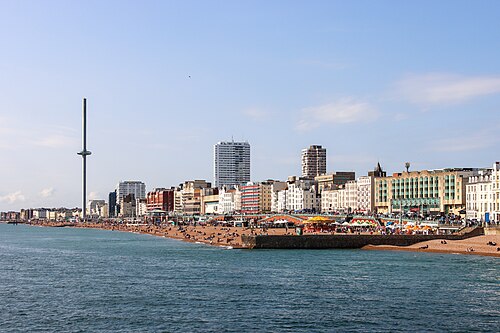
Brighton, located on the southern coast of England, is a vibrant and diverse city known for its rich history, cultural scene, and its role as a popular seaside resort. Originally a small fishing village, Brighton began to flourish in the 18th century when it became a fashionable retreat for the British aristocracy. The construction of the Royal Pavilion, an extravagant palace commissioned by King George IV in the early 19th century, marked a turning point in the city's development. This stunning example of Indo-Saracenic architecture remains one of Brighton's most iconic landmarks and symbolizes the city’s royal connections and artistic heritage.
Today, Brighton is characterized by its eclectic mix of modernity and tradition. The city's famous pebble beach attracts millions of visitors each year, while its historic pier, the Brighton Palace Pier, offers amusement rides, arcades, and traditional seaside entertainment. Brighton is also known for its thriving arts and music scene, hosting numerous festivals such as the Brighton Festival and the Brighton Fringe, which are among the largest arts festivals in England. The city boasts a lively array of shops, restaurants, and bars, particularly in the North Laine and Lanes areas, where independent boutiques and vintage stores contribute to its bohemian atmosphere. Additionally, Brighton is recognized for its inclusivity and progressive values, making it a welcoming place for the LGBTQ+ community, highlighted by the annual Brighton Pride festival, one of the largest in the UK.
With a population of approximately 290,000, Brighton is part of the larger City of Brighton and Hove and serves as a significant hub for education, tourism, and economy. The city is home to the University of Brighton and the University of Sussex, attracting a diverse student body and fostering innovation and research. Efficient public transport links, including frequent train services to London, contribute to its appeal as both a tourist destination and a residential area. Brighton's combination of historical charm, cultural dynamism, and seaside allure establishes it as a unique and lively city that continues to thrive in the 21st century.
Facts about Brighton
- Brighton is known for its iconic Royal Pavilion, an extravagant palace built for King George IV in the early 19th century, featuring Indo-Saracenic architecture.
- The city is famous for its pebble beach, which is unique among English coastal towns, as most have sandy shores.
- Brighton is home to the British Airways i360, a 162-meter tall observation tower that offers panoramic views of the city and the coastline.
- The Brighton Festival, established in 1967, is one of England's largest arts festivals, showcasing a wide range of performances from music to theatre.
- Brighton is a hub for the LGBTQ+ community and hosts one of the UK's largest Pride festivals each year, attracting thousands of attendees.
- The city has a unique underground music scene and is often credited as the birthplace of numerous musical movements, including the British punk rock movement.
- Brighton Pier, opened in 1899, is an iconic amusement park that features traditional arcade games and Victorian-style amusements.
- The city boasts a vibrant and historic fishing community, reflected in the distinctive 'Nets' and colorful fishing huts lining the beach.
- Brighton is also the site of the annual Brighton Marathon, one of the largest marathons in the UK, known for its scenic coastal route.
- The University of Brighton is known for its strong emphasis on creativity and innovation, particularly in art, design, and sustainability programs.