Bruchköbel, Germany
- 20,892 people
- 9 places to visit
- 50.1825, 8.9231
Places to Visit (9)
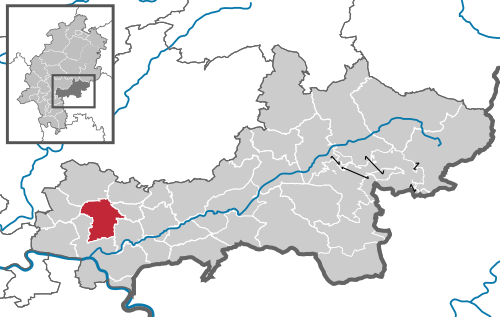
Bruchköbel is a town located in the Main-Kinzig district of the state of Hesse, Germany. Positioned approximately 15 kilometers northeast of Frankfurt am Main, it serves as part of the Frankfurt metropolitan area. The town has a rich history dating back to Roman times, with archaeological findings indicating settlements in the region. Its name, which is derived from the Old High German term "bruch," refers to marshy or wet areas, highlighting the town's geographical features. Bruchköbel was first mentioned in historical records in the early 13th century, and over the centuries, it has developed from a quaint village into a modern urban settlement.
Today, Bruchköbel is known for its vibrant community and high quality of life. The population of the town is around 20,000 inhabitants, and it boasts a mix of residential, commercial, and recreational spaces. The town center is characterized by traditional half-timbered houses, charming streets, and various shops and cafes, making it a pleasant place for both residents and visitors. Bruchköbel also has a number of parks and green spaces, providing opportunities for outdoor activities. Educational institutions in the town cater to families, contributing to its appeal for those with children.
In terms of transportation, Bruchköbel is well-connected to the surrounding regions. The town is served by the regional railway network, allowing for easy commuting to major hubs, including Frankfurt. Additionally, the local bus services enhance accessibility within the region. Bruchköbel's blend of historical charm, modern amenities, and strategic location continues to attract new residents and businesses, ensuring its growth as a notable town in Hesse.
Facts about Bruchköbel
- Bruchköbel is known for its charming blend of modern living and historical architecture, with buildings dating back to the medieval period.
- The city hosts the annual Bruchköbel Fest, a traditional festival celebrating local culture, music, and gastronomy which draws visitors from surrounding areas.
- Bruchköbel is part of the greater Frankfurt metropolitan area, making it a significant commuter hub while maintaining a small-town atmosphere.
- The city's historical center features the beautiful Evangelische Kirche, built in the 19th century, which serves as a focal point for community gatherings.
- Bruchköbel has a strong connection to the sport of handball, being home to several successful clubs and regularly hosting regional competitions.
- The city is located along the historical Roman road known as the Via Claudia Augusta, which was significant for trade and military routes in ancient times.
- Bruchköbel takes pride in its green spaces, with various parks and recreational areas, including the popular Biberpark, ideal for family outings.
- A notable feature of Bruchköbel is its close-knit community, reflected in various local initiatives and organizations that foster civic engagement.
- The city has a unique tradition of 'Celtic' influenced celebrations, drawing on its historical connections to early European cultures.
- Bruchköbel's proximity to the Main River contributes to its picturesque landscape and offers various outdoor activities, such as cycling and hiking.