Bruchsal, Germany
- 45,364 people
- 12 places to visit
- 49.125, 8.5844
Places to Visit (12)
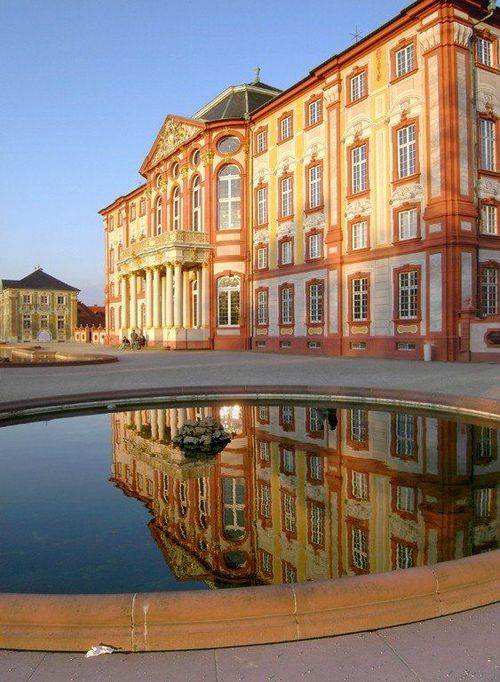
Bruchsal is a town in the state of Baden-Württemberg, Germany, known for its rich history and distinct architectural heritage. Located approximately 20 kilometers northeast of Karlsruhe and near the banks of the river Saalbach, Bruchsal has a population of around 44,000 residents. The town's origins date back to the medieval period; it was officially granted town status in 1806 and has since developed into an important cultural and economic center in the region. Bruchsal is particularly renowned for its Baroque-style palace, the Bruchsal Palace, which was built in the 18th century and served as the residence of the Prince-Bishops of Speyer. This impressive structure, a UNESCO World Heritage Site, features grand gardens and ornate interior rooms and attracts numerous visitors each year.
In addition to its architectural significance, Bruchsal boasts a vibrant local economy and offers a range of amenities and services to its residents. The town is well-connected by public transport, including a railway station that links it to major cities in the area, making it a convenient base for commuters. Bruchsal also features various educational institutions, including schools and vocational training centers, which contribute to the area's skilled workforce. A notable aspect of the town's identity is the annual Bruchsal City Festival, which celebrates local culture and community spirit with music, food, and entertainment. Furthermore, Bruchsal's geographical location allows residents and visitors alike to enjoy the beautiful surrounding landscapes, with numerous outdoor activities available in the nearby Kraichgau hills and the flowing waters of the Rhine. Overall, Bruchsal stands as a charming and progressive town, combining its historical roots with modern-day lifestyle offerings.
Facts about Bruchsal
- Bruchsal is home to the largest Baroque palace in the state of Baden-Württemberg, known as the Bruchsal Palace, which dates back to the early 18th century.
- The city has a unique history as a center of the Bischofsstadt (Bishop's City) during the Holy Roman Empire, acting as a residence for the Bishops of Speyer.
- Bruchsal was the first place in Germany to have a public playground, established in 1860, which reflects the city's progressive social initiatives.
- The city is renowned for its contributions to the development of the espresso machine, being home to the world-famous manufacturer's headquarters, WMF (Württembergische Metallwarenfabrik).
- Bruchsal hosts the unique 'Bruchsal Christmas Market', which is famous for its Baroque backdrop and charming atmosphere, attracting visitors from across the region.
- The region around Bruchsal is known for its wine production, particularly Riesling, and hosts several vineyards that offer tours and tastings.
- Bruchsal is the birthplace of the inventor of the modern bicycle, Karl Drais, who developed the Laufmaschine in 1817, a precursor to the bicycle.
- The city features an interactive science museum, the 'Naturwissenschaftliches Museum', which focuses on the natural sciences and technology, making it a distinctive educational hub.
- Bruchsal is strategically located and serves as a transport hub, being at the junction of several key highways and having a major railway station that facilitates travel to major cities.
- The city has a vibrant cultural scene and hosts various events throughout the year, including the Bruchsal Music Festival, which highlights local and international musicians.