Bucharest, Romania
- 1,877,155 people
- 19 places to visit
- 44.4268, 26.1025
Places to Visit (19)
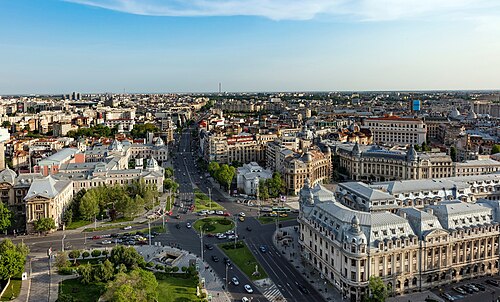
Bucharest, the capital of Romania, is a vibrant city known for its historical significance and modern developments. With a population of over 1.8 million, it is the largest city in the country and serves as its cultural, industrial, and financial hub. Positioned in the southeastern part of Romania, Bucharest is strategically located at the crossroads of Eastern and Western Europe, making it an important player in regional dynamics. The city’s history dates back to the 15th century, and it has witnessed various transformations over the centuries, from a small trading post to a major European capital. Its eclectic architecture reflects this evolution, featuring a mix of styles such as neoclassical, Art Nouveau, and communist-era structures, notably exemplified by the Palace of the Parliament, one of the largest administrative buildings in the world.
Bucharest is often referred to as "Little Paris" due to its wide boulevards, parks, and artistic culture reminiscent of the French capital. The city offers a rich tapestry of attractions, including landmarks such as the Romanian Athenaeum, a concert hall renowned for its architecture and acoustics, and the historic Old Town, which showcases cobblestone streets filled with vibrant cafes, shops, and bars. Cultural life in Bucharest is thriving, with numerous theaters, museums, and galleries, providing insights into Romania’s art and history. Romanian cuisine, characterized by hearty dishes and local wines, complements the city's dynamic dining scene. The city's diverse population and growing expatriate community contribute to a cosmopolitan atmosphere, fueling development and innovation. As Bucharest continues to evolve, it faces challenges related to urbanization, infrastructure, and environmental sustainability, but it remains a city full of potential for both residents and visitors alike.
Facts about Bucharest
- Bucharest is the capital and largest city of Romania, often referred to as 'Little Paris' due to its architectural similarities with Paris in the early 20th century.
- The Palace of the Parliament in Bucharest is the second-largest administrative building in the world, after the Pentagon, and is known for its monumental size and extravagant design.
- Bucharest hosts the largest urban park in Romania, Herastrau Park, which encompasses the Herastrau Lake and offers recreational activities and cultural events.
- The city is home to the Romanian Athenaeum, a stunning concert hall that is considered a major symbol of Romanian culture and hosts the George Enescu Festival, a prestigious classical music event.
- Bucharest has a vibrant nightlife scene, particularly in the Old Town (Lipscani), which is filled with cafes, bars, and clubs that attract both locals and tourists.
- The city has a rich history with significant influences from Ottoman, French, and Communist rule, evident in its diverse architectural styles ranging from Neo-Classical to Brutalist.
- Bucharest was the first city in Europe to have street lighting, installed in 1857, showcasing its progressive nature during the 19th century.
- The city has a plethora of museums, including the National Museum of Romanian History and the Museum of the Romanian Peasant, reflecting its deep cultural heritage.
- Bucharest is known for its Green Spaces, with numerous parks and gardens, including Cismigiu Gardens, which is the oldest park in the city.
- The city has a diverse population and hosts various cultural festivals throughout the year, celebrating art, music, and film, including the Bucharest International Film Festival.