Budaun, India
- 161,555 people
- 3 places to visit
- 28.0311, 79.1271
Places to Visit (3)
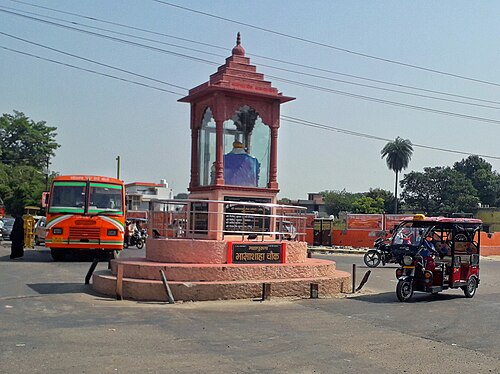
Budaun is a city located in the northern Indian state of Uttar Pradesh. It serves as the administrative headquarters of Budaun district and is situated approximately 250 kilometers northeast of the national capital, New Delhi. The city is positioned on the banks of the Ganges River, which has historically contributed to its agricultural prominence. Budaun is imbued with a rich historical and cultural heritage, with references to the city dating back to ancient texts. The name "Budaun" is believed to have originated from "Buddha," indicating a connection to Buddhism, though the city has predominantly been influenced by Hindu culture and traditions over centuries.
The demographic profile of Budaun reflects a diverse population with a mix of communities, including Hindus, Muslims, and Jains, among others. According to the 2011 Census, the population of Budaun was over 150,000, with a literacy rate that is gradually improving. The economy of Budaun primarily relies on agriculture, with significant production of grains, pulses, and vegetables. Additionally, industries such as handloom weaving, pottery, and dairy farming supplement the local economy. The city is known for its traditional handicrafts and has an emerging market in small-scale industries. Budaun is also recognized for its educational institutions, with several schools and colleges that cater to the needs of the local populace.
Architecturally, Budaun boasts several historical monuments, reflecting its past under various empires, including the Delhi Sultanate and the Mughal Empire. Notable sites include the historical Baunia fort, the ancient Jain temples, and the 16th-century ghats, which serve as important cultural landmarks. The city is also known for its vibrant festivals, with celebrations such as Diwali, Holi, and Eid drawing together people from different faiths, showcasing the city's communal harmony. Despite facing challenges such as infrastructure development and economic opportunities, Budaun continues to hold a significant place in the cultural and historical tapestry of Uttar Pradesh. Its blend of tradition and modernity, along with a growing focus on education and agricultural development, positions Budaun as an important urban center in the region.
Facts about Budaun
- Budaun is known for its rich historical heritage, being the capital of the ancient kingdom of Budaun in the 12th century.
- The city features a unique fusion of Indo-Islamic architecture, exemplified by landmarks like the 16th-century Alia Begum's tomb and the 17th-century Jama Masjid.
- Budaun is believed to be the birthplace of one of the most prominent Sufi saints, Sheikh Noor-ud-din Noorani, who significantly influenced Sufism in the region.
- The city is host to the annual Budaun Mahotsav, a cultural festival that showcases local art, crafts, and performances, promoting the rich cultural heritage of the region.
- Budaun has a significant presence in the realm of Urdu literature, being home to several literary figures, including the renowned poet Akbar Allahabadi.
- The village of Ujhani in Budaun district is famous for its traditional weaving of carpets and has been a center for carpet production in India.
- Budaun has a unique tradition of 'Madhurees,' folk songs sung during harvest time, which distinguishes the city's cultural celebrations.
- The city features ancient excavation sites with remnants of the 1st-century Buddhist stupas, highlighting its historical significance as a Buddhist center in ancient India.
- Budaun was also notable during the 1857 uprising against British rule, being one of the critical sites of resistance and rebellion in northern India.
- In terms of wildlife, the nearby Kaderi Bujurg forest area is known for its diverse flora and fauna, making Budaun a unique spot for nature enthusiasts.