Buderim, Australia
- 28,774 people
- 12 places to visit
- -26.6857, 153.0507
Places to Visit (12)
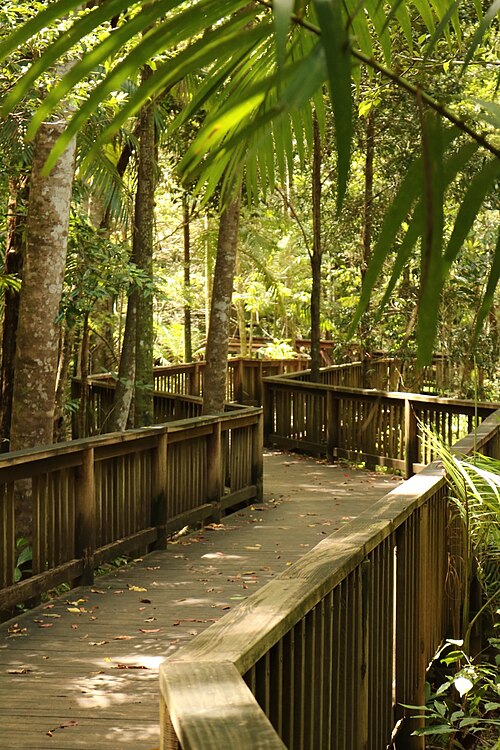
Buderim is a suburb situated on the Sunshine Coast in Queensland, Australia. It lies approximately 90 kilometers north of Brisbane and is known for its rich history, beautiful natural landscapes, and vibrant community. Originally inhabited by the Kabi Kabi people, Buderim was established as a settlement in the 1860s, primarily driven by the sugar industry. The area’s name is derived from the local Aboriginal word “Buderim,” meaning “the place where the wild ginger grows.” As the sugar industry declined, Buderim transformed into a residential area, attracting families and retirees seeking a serene lifestyle with access to the Sunshine Coast’s amenities.
Buderim is characterized by its subtropical climate, which supports lush greenery and diverse flora, providing beautiful vistas and outdoor activities. The suburb features lush gardens, parks, and walking trails, including parts of the Buderim Forest Park, which showcases waterfalls and varied wildlife. The town center, known as Buderim Village, is home to a mix of boutique shops, cafes, and essential services that cater to both residents and visitors. With a population of around 3,000, Buderim fosters a close-knit community atmosphere, emphasized by numerous local events and festivals throughout the year. Moreover, its strategic location offers easy access to the stunning beaches of the Sunshine Coast, including Mooloolaba and Maroochydore, enhancing Buderim's appeal as a desirable place to live. The suburb also boasts educational facilities, including primary and secondary schools, adding to its family-friendly reputation.
Culturally, Buderim is rich with artistic expressions, featuring galleries and local markets that showcase the work of local artisans. History enthusiasts can explore significant sites like the Buderim Cemetery and the heritage-listed Buderim School of Arts, reflecting the suburb's storied past. As Buderim continues to develop while preserving its natural beauty and community spirit, it remains a charming destination for those looking to experience the unique blend of suburban life and nature that characterizes the Sunshine Coast region. Overall, Buderim is a quintessential Australian suburb that offers residents a tranquil lifestyle, easy access to urban amenities, and a strong community focus amidst stunning natural surroundings.
Facts about Buderim
- Buderim is known for its stunning views and elevation, being situated on the Sunshine Coast hinterland, approximately 100 meters above sea level.
- The name 'Buderim' is derived from the Aboriginal word 'Buddharim', which means 'place of the honey' or 'honey place', reflecting the area's historical significance in honey production.
- Buderim was originally established as a timber town in the late 19th century, and its rich heritage is still reflected in some of the older buildings in the area.
- The town is famous for its tropical gardens and the Buderim Ginger Factory, which serves as a major tourist destination, showcasing the region's ginger cultivation.
- Buderim is home to a vibrant arts community, with numerous galleries and events celebrating local artists, including the annual Buderim Arts Festival.
- The suburb boasts one of Australia’s first community markets, the Buderim Market, which has been operating since 1999 and features local produce and handmade goods.
- Buderim is recognized for its commitment to sustainability and community initiatives, receiving accolades for its eco-friendly practices and green spaces.
- The local Buderim Forest Park features a scenic walking track and waterfalls, making it a popular destination for nature lovers and outdoor enthusiasts.
- Buderim’s proximity to popular tourist attractions like the Australia Zoo and Mooloolaba Beach, combined with its serene residential atmosphere, makes it a desirable place to live.
- The town hosts the Buderim Fun Run, an annual community event that raises funds for local charities and promotes health and fitness among its residents.