Buenos Aires, Argentina
- 2,891,082 people
- 18 places to visit
- -34.6037, -58.3816
Places to Visit (18)
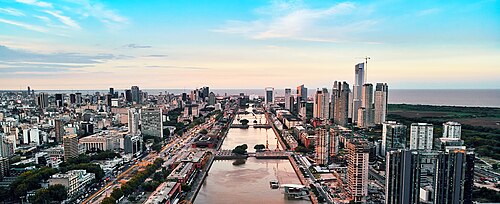
Buenos Aires, the capital city of Argentina, is one of the largest and most vibrant cities in South America. Founded in 1536 by Spanish explorer Pedro de Mendoza, it was later established again in 1580 by Juan de Garay. The city is situated on the southeastern shore of the Río de la Plata estuary, which has historically made it a crucial port for trade and immigration. Buenos Aires has a rich cultural heritage, influenced by various immigrant groups, particularly from Italy and Spain, which is evident in its architecture, cuisine, and local customs. The city is divided into distinct neighborhoods, each with its own character, such as the historic San Telmo, the colorful La Boca, and the upscale Recoleta, known for its European-style mansions.
Economically, Buenos Aires is a significant hub in Latin America, contributing a large percentage of Argentina's GDP. The city hosts a diverse economy where industries such as manufacturing, agriculture, and services thrive. Buenos Aires is also recognized for its cultural contributions, boasting numerous theaters, museums, and galleries. The Teatro Colón, one of the world's finest opera houses, and the Museo Nacional de Bellas Artes are key attractions for visitors. The city's vibrant arts scene includes tango music and dance, which originated in the working-class neighborhoods of the city in the late 19th century and has since become iconic symbols of Argentine culture. With a population exceeding three million within the city limits and around fifteen million in the Greater Buenos Aires area, it stands as one of the most populous urban agglomerations in the world, fostering a dynamic social and cultural landscape.
Buenos Aires is also known for its lively nightlife, diverse culinary offerings, and extensive public transit system, including buses and the Subte (subway), which help residents navigate the sprawling metropolis. The city's numerous parks and waterfront areas provide recreational spaces, while major annual events such as the Buenos Aires International Book Fair and the Tango Festival attract millions of tourists. Buenos Aires' unique blend of European sophistication and Latin American passion makes it a fascinating destination, offering a rich tapestry of history and modernity that continues to evolve.
Facts about Buenos Aires
- Buenos Aires is the capital city of Argentina and one of the largest metropolitan areas in South America.
- It is known for its European-style architecture, earning it the nickname 'The Paris of South America.'
- Buenos Aires hosts the famous tango music and dance, originating in the late 19th century in the working-class neighborhoods.
- The city's iconic iconic Plaza de Mayo is home to key historical buildings, including the Casa Rosada, the executive mansion and office of the President of Argentina.
- Buenos Aires has the largest book fair in the Spanish-speaking world, the Feria Internacional del Libro, attracting millions of visitors annually.
- The city's La Boca neighborhood features colorful houses and is famous for the Caminito street, an open-air museum and traditional alley.
- Buenos Aires is home to one of the world's most important opera houses, the Teatro Colón, renowned for its acoustics and architecture.
- The city has a diverse culinary scene, with its parrillas (steakhouses) being particularly famous for serving some of the best beef in the world.
- Buenos Aires has hosted the World Buskers Festival and is known for its vibrant street performances and cultural events year-round.
- It is also the birthplace of the revolutionary figure Che Guevara and the legendary soccer player Diego Maradona, both significant to Argentine identity.