Bujumbura, Burundi
- 769,317 people
- 11 places to visit
- -3.3614, 29.3599
Places to Visit (11)
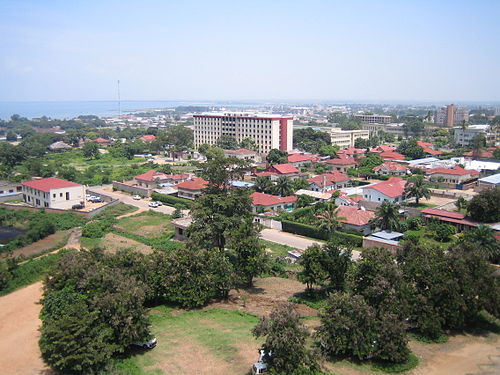
Bujumbura, the former capital of Burundi, is situated on the northeastern shore of Lake Tanganyika, one of the largest and deepest lakes in the world. Established as a colonial administrative center by Germany in the late 19th century, it later became the de facto capital during Belgian rule. The city boasts a population of approximately 300,000 residents, making it one of the larger urban centers in the country. Bujumbura is not only the political administrative center but also an economic hub, with industries ranging from agriculture to textiles, and a burgeoning tourism sector designed to capitalize on the region's natural beauty.
The city is known for its lush landscapes, distinctive hills, and mild climate, making it an attractive destination for both locals and visitors. Cultural vibrancy characterizes Bujumbura, where traditions from the various ethnic groups, primarily the Hutu and Tutsi, coexist. Key landmarks include the Independence Monument, the vibrant central market, and the lively beach area along Lake Tanganyika, which draws people for leisure and recreational activities. Bujumbura serves as a gateway for exploring the National Parks nearby, such as Rusizi National Park, which supports diverse wildlife, including hippos and various bird species. Despite facing challenges, including political instability and economic difficulties, Bujumbura remains a focal point for understanding Burundi's culture and history and plays a pivotal role in the nation's aspirations for development and peace.
Facts about Bujumbura
- Bujumbura was the political and administrative capital of Burundi until 2019, when the capital was moved to Gitega.
- The city is located on the northeastern shore of Lake Tanganyika, which is one of the largest and deepest lakes in the world.
- Bujumbura serves as the economic hub of Burundi, hosting the majority of the country's industries, commerce, and transport links.
- The city features a unique blend of urban and natural landscapes, with hills surrounding it and the lake providing recreational opportunities.
- Bujumbura is home to the Memorial to the Martyrs, a significant landmark that commemorates those who lost their lives in the country's civil war.
- The city has a vibrant cultural scene, including music and dance festivals that showcase Burundian traditions, such as the famous Intore dance.
- Bujumbura has a diverse population with various ethnic groups, reflecting the cultural mosaic of the entire country.
- The city hosts the Burundi International Film Festival, promoting film and the arts in the region.
- Bujumbura’s climate is classified as tropical savanna, making it warmer and wetter than many other parts of Burundi.
- The city has numerous markets, such as the Central Market, where locals gather to buy and sell a wide variety of goods, from fresh produce to handicrafts.