Būkān, Iran
- 213,331 people
- 2 places to visit
- 36.5187, 46.2094
Places to Visit (2)
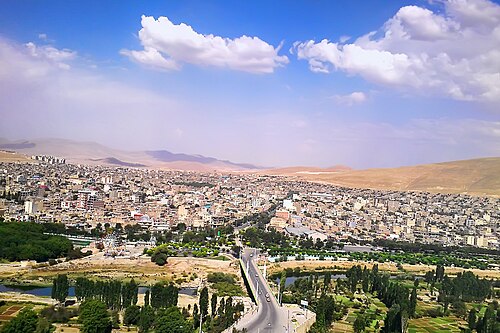
Būkān is a city located in West Azerbaijan Province, Iran. It serves as the capital of Būkān County and is situated approximately 90 kilometers south of the provincial capital, Urmia. Geographically, Būkān lies in a mountainous region, surrounded by the Sahand and Zanjan mountain ranges, which contribute to its picturesque landscapes and moderate climate. The city has a diverse demographic, with a significant Kurdish population, which is primarily reflected in the local culture, language, and traditions. Persian is also widely spoken, and the interaction between these cultures creates a unique social fabric in the area.
Historically, Būkān has been an important center for trade and commerce due to its strategic location connecting various regions. The city has a rich cultural heritage, with remnants of ancient architecture and it is known for its vibrant bazaars. Agriculture forms the backbone of the local economy, with the fertile land surrounding Būkān supporting the cultivation of various crops, including grains, fruits, and nuts. Additionally, the region is rich in natural resources, which promotes industries such as handicrafts and textiles. Despite facing economic challenges, Būkān is characterized by a strong sense of community and resilience, with efforts to preserve its cultural identity amidst modernization.
Tourism in Būkān has been growing, as visitors are attracted to its scenic beauty, historical sites, and opportunities for outdoor activities such as hiking and nature exploration. Nearby attractions include the stunning landscapes of the mountains and valleys, as well as traditional Kurdish villages that showcase local life and customs. The annual festivals and cultural events also draw people to Būkān, fostering a sense of pride among residents and promoting the city's heritage. Overall, Būkān is a city that embodies the rich historical and cultural diversity of Iran, offering a blend of tradition and modernity that is unique to the region.
Facts about Būkān
- Būkān is known for its significant Kurdish cultural heritage, making it one of the prominent centers of Kurdish identity in Iran.
- The city is home to the historical Būkān Fortress, which dates back to ancient times and reflects the region's strategic importance.
- Būkān has a rich history of textile production, particularly known for its traditional Kurdish carpets which are unique in design and craftsmanship.
- The area around Būkān is famous for its natural beauty, including mountainous landscapes, and is a popular destination for hiking and outdoor activities.
- Būkān hosts an annual Kurdish cultural festival that celebrates local music, dance, and traditional crafts, attracting visitors from across the region.
- The city has a diverse population with a notable presence of ethnic minorities, contributing to a rich tapestry of cultures and traditions.
- Būkān was a key location during various historical conflicts, including those during the Pahlavi era, impacting its political significance in the region.
- The Būkān dialect is part of the Kurdish language, and it showcases unique linguistic features that differ from other Kurdish dialects spoken in Iran.
- The city has a thriving agricultural sector, particularly in the production of fruits and nuts, which are well-regarded across Iran.
- Būkān is close to Lake Urmia, one of the largest saline lakes in the world, which is a UNESCO World Heritage Site and has ecological significance.