Bulawayo, Zimbabwe
- 1,200,337 people
- 9 places to visit
- -20.1457, 28.5873
Places to Visit (9)
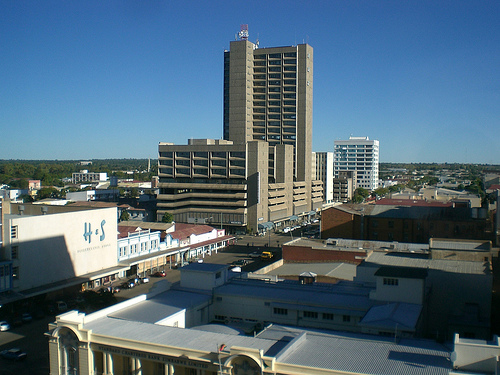
Bulawayo, the second-largest city in Zimbabwe, is located in the southwestern part of the country. Established as a place of refuge for the Ndebele people in the mid-19th century, it was founded by King Mzilikazi, who migrated from present-day South Africa. The city has a rich cultural heritage and has long served as an economic and administrative hub for the region. With a population of approximately 650,000 people, Bulawayo is known for its wide streets and colonial-era architecture, reflecting both its historical significance and its role in the development of Zimbabwean society.
The economy of Bulawayo has historically centered around manufacturing and industry, with the city once being a major center for industries such as textiles, food processing, and metal fabrication. However, like much of Zimbabwe, Bulawayo has faced economic challenges over the past few decades, including hyperinflation and a decline in industrial output. This has led to job losses and a significant economic downturn, yet efforts are ongoing to revitalize the city's economy through initiatives aimed at wooing investment and promoting small and medium enterprises. Besides its economic landscape, Bulawayo is rich in cultural activities and is known for its vibrant arts scene, including music, dance, and theatre, as well as its host of museums and cultural institutions that highlight the history and traditions of the region.
Additionally, Bulawayo is closely situated to several national parks and wildlife reserves, making it a gateway for tourism in the region. Attractions such as Matobo National Park, which is renowned for its impressive rock formations and biodiversity, are easily accessible from the city. This proximity to natural beauty, coupled with its historical attractions such as the Natural History Museum and the Bulawayo Railway Museum, creates a unique blend of cultural and ecological tourism opportunities. Despite facing challenges, Bulawayo remains a city rich in history, culture, and potential, embodying the resilience and spirit of its residents.
Facts about Bulawayo
- Bulawayo is the second-largest city in Zimbabwe and was founded in 1893, serving as the capital of Matabeleland region.
- The city is known as the 'City of Kings' due to its historical association with King Lobengula of the Ndebele people.
- Bulawayo boasts impressive colonial-era architecture, including the Bulawayo Railway Station, which is one of the largest in the Southern Hemisphere.
- The city hosts the annual Bulawayo Arts Festival, which celebrates diverse artistic expressions and attracts participants from across the nation and beyond.
- Bulawayo is home to the Natural History Museum of Zimbabwe, which houses extensive collections on the country’s wildlife and natural history.
- The city is notable for its surrounding attractions, including the Matobo National Park, a UNESCO World Heritage Site known for its rock art and granite hills.
- Bulawayo has one of the largest concentrations of craftsmanship in Zimbabwe, particularly in metalwork, pottery, and wood carvings.
- The Zimbabwe International Trade Fair, held annually in Bulawayo, is a major event that showcases local and international businesses and innovations.
- Bulawayo is also recognized for its musical heritage, being a hub for genres such as mbira and traditional Ndebele music.
- The city has a significant historical controversy related to the 1896-1897 Matabele Rebellion, which was a pivotal conflict in the struggle against colonial rule.