Bunia, DR Congo
- 399,282 people
- 4 places to visit
- 1.5743, 30.2397
Places to Visit (4)
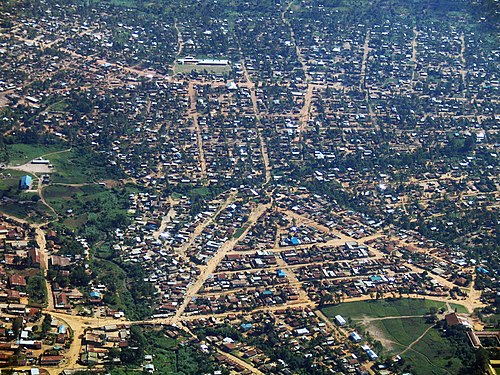
Bunia is a city located in the northeastern region of the Democratic Republic of the Congo (DR Congo), serving as the capital of Ituri Province. Situated at an elevation of approximately 1,200 meters (about 4,000 feet) above sea level, Bunia lies near the shores of Lake Albert and is positioned strategically along the vital routes connecting the eastern territories of the nation with Uganda and South Sudan. The city plays a significant role in trade and commerce due to its proximity to these international borders, with a thriving market that reflects the diverse cultural influences present in the region.
Historically, Bunia has been at the center of ethnic tensions and conflict, particularly during the Second Congo War that lasted from 1998 to 2003. This period saw severe violence and humanitarian crises affecting the local population and leading to significant displacement. Post-war, Bunia has experienced some reconstruction and development, although challenges such as insecurity and political instability persist. The city is culturally vibrant, featuring a mix of ethnic groups including the Lendu and Hema, among others. This diversity is evident in local customs, languages, and traditions. The economy is largely driven by agriculture, with inhabitants engaging in the cultivation of crops like cassava, maize, and plantains, as well as the trade of various goods.
Today, Bunia is a focal point for humanitarian efforts, with numerous international organizations and NGOs operating in the area to address ongoing issues of poverty, health care, and education. The city has also begun to benefit from infrastructure development, with improvements in transportation and public services aimed at enhancing the quality of life for its residents. Despite its challenges, Bunia continues to be a symbol of resilience, with communities striving toward stability and growth in a region marked by its rich natural resources and cultural heritage.
Facts about Bunia
- Bunia is located in the Ituri Province of the Democratic Republic of the Congo, which is known for its rich biodiversity and the presence of the Ituri Rainforest.
- The city serves as a significant trading hub due to its proximity to the Congo River and other nearby natural resources, which facilitates transport and commerce.
- Bunia has been a focal point in the history of the Ituri conflict, particularly during the early 2000s, highlighting its role in regional politics and ethnic tensions.
- The city is home to the Ituri Museum, which showcases local culture and history, offering insights into the diverse ethnic groups in the region.
- Bunia's demographic composition is unique, featuring a blend of various ethnicities including the Hema and Lendu groups, known for their distinct cultural practices.
- The city has endured significant humanitarian crises, particularly due to conflict, leading to a variety of NGOs and international organizations providing aid and support.
- Bunia is strategically located near Lake Albert, providing access to fishing and agricultural activities that are vital to the local economy.
- The region around Bunia is rich in natural resources, including gold, which has attracted both legal and illegal mining operations, impacting the local economy.
- Bunia hosts several annual cultural festivals celebrating the heritage of the Ituri Province, promoting unity and cultural exchange among its diverse population.
- The city is undergoing development efforts aimed at improving infrastructure, health care, and education, distinguishing it as a growing urban center in eastern Congo.