Burhānpur, India
- 202,695 people
- 5 places to visit
- 21.3145, 76.218
Places to Visit (5)
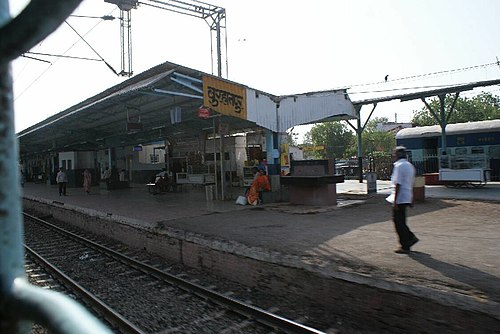
Burhānpur is a city located in the state of Madhya Pradesh, India, and serves as the administrative headquarters of the Burhānpur district. Nestled on the banks of the Tapti River, Burhānpur has a rich historical legacy, having been established in the 14th century. The city played a significant role during the Mughal era, particularly as an important military and administrative center. It was known for its strategic location, which facilitated trade and communication between the Deccan region and northern India. Renowned for its historical architecture, Burhānpur boasts several monuments, including the stunning Jame Masjid, which was built during the reign of Mughal Emperor Akbar, and the impressive Baoli (stepwell) of the city that showcases the engineering prowess of the time.
Culturally, Burhānpur is recognized for its unique blend of Hindu and Islamic traditions, which is reflected in its festivals, cuisine, and daily life. The city is famous for its handloom products, particularly the Burhānpuri sarees, which are highly sought after for their intricate designs and craftsmanship. Additionally, the city is home to several religious sites, including temples and mosques, where various religious practices are observed, highlighting the city's pluralistic society. Burhānpur is also known for the historical presence of notable figures such as the poet and philosopher Mirza Ghalib. The socioeconomic landscape is characterized by agriculture, trade, and tourism, with an increasing number of visitors drawn to its historical sites and natural beauty. Despite facing challenges such as urbanization and infrastructural development, Burhānpur remains a vibrant city that cherishes its historical roots while adapting to modernity.
Facts about Burhānpur
- Burhānpur is known for its historical significance as the capital of the Mughal Empire's Malwa province during the late 16th century.
- The city is famous for the creation of the unique 'Burhanpur' style of architecture, which includes notable structures like the Jumma Masjid and the Shah Nikola Mosque.
- Burhānpur is home to the intricate 'Burhānpuri' textile, a traditional fabric recognized for its unique patterns and craftsmanship, particularly used in royal garments.
- The city is famous for the 'Burhanpur Fort,' a massive fortification that served as a strategic military base during the Mughal era.
- Burhānpur is known for its historical association with the Mughal emperors, particularly with Emperor Akbar, who established the city as a vital center of administration and culture.
- The 'Ghanta Ghar' (Clock Tower) in Burhānpur is a landmark that showcases the city's colonial architecture and acts as a central point for locals and tourists.
- Burhānpur is the birthplace of prominent poet and philosopher 'Sufi saint Nizamuddin Auliya', who contributed significantly to the spiritual landscape of India.
- The city celebrates the annual 'Burhānpur Utsav,' which showcases local culture, arts, and crafts, emphasizing its heritage and traditions.
- Burhānpur is notable for its underground water channels, known as 'Bawdi,' which were used for irrigation and water supply during the Mughal era.
- The unique cuisine of Burhānpur includes dishes like 'Biryani' and 'Gulab Jamun,' both of which have historical roots and are favored in regional festivals.