Burjassot, Spain
- 38,433 people
- 11 places to visit
- 39.5097, -0.4136
Places to Visit (11)
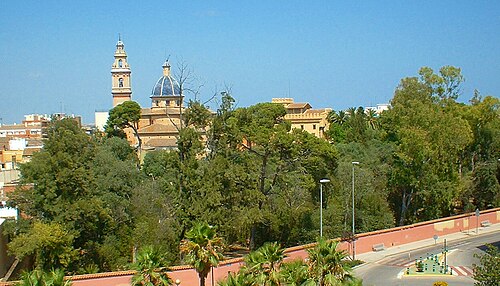
Burjassot is a municipality located in the province of Valencia, in the autonomous community of the same name, Spain. Situated approximately 5 kilometers northwest of Valencia city, Burjassot covers an area of around 6.6 square kilometers and boasts a population of about 38,000 residents. The town's name is derived from its Arabic origins, "Burj al-Sot," which translates to "the tower of the marsh." Burjassot has a rich historical legacy that dates back to the Roman era, evident from several archaeological findings, including remnants of Roman villas and coins. The town’s strategic location made it a significant site throughout history, particularly during the Middle Ages.
Modern Burjassot is characterized by its vibrant cultural scene and numerous parks, including the popular "Parque de la Morera." The municipality has made significant investments in public spaces, creating areas for recreation and community events. The city is also known for its educational institutions, including the University of Valencia's Burjassot campus, which adds to the youthful energy of the area. Burjassot maintains a blend of traditional and contemporary features, from historic buildings like the 18th-century church of "Iglesia de Santa Rosa" to modern residential developments. Additionally, its convenient transportation links, including a metro line connecting to Valencia, make it an attractive location for commuters who wish to enjoy a suburban lifestyle with easy access to the urban amenities of the nearby capital.
Throughout the year, Burjassot celebrates various festivals, reflecting its cultural heritage and community spirit. One notable event is the "Fallas," a festival that takes place in March, during which large wooden sculptures are created and later burned in a spectacle of fire and fireworks. The town also celebrates the "Fiestas de la Virgen de la Cabeza," honoring its patron saint in late April. These festivals draw both locals and visitors, showcasing Burjassot's lively atmosphere and fostering a sense of community. Overall, Burjassot represents a harmonious blend of tradition and modernity, making it a unique and engaging place within the Valencia province.
Facts about Burjassot
- Burjassot is home to the historic 'Jardines del Real', beautiful gardens with a rich history that date back to the 19th century.
- The town features the unique 'Castle of Burjassot', a site of historical significance that offers panoramic views of the surrounding area.
- Burjassot hosts a variety of cultural events including the 'Fallas Festival', celebrated with elaborate sculptures and fireworks, similar to many Valencian towns.
- The town was a significant agricultural hub during the Moorish period, and its rich agricultural heritage is reflected in local customs and cuisine.
- Burjassot boasts a famous historical building known as the 'Iglesia de San Juan Bautista', an example of Gothic architecture that dates back to the 16th century.
- The city is known for its educational institutions, including the 'Universitat de València', which has a campus located in Burjassot.
- Burjassot is distinct for its strategic location near Valencia, allowing residents easy access to both urban amenities and natural parks.
- Each March, the town celebrates 'Semana Santa' with unique local traditions, showcasing elaborate processions and religious devotion in a distinctive manner.
- Burjassot has a progressive commitment to urban green spaces, promoting environmental sustainability through parks and recreational areas.
- The city is recognized for its local cuisine, particularly its paella, which is characteristic of the Valencian region, with local variations that set it apart.