Burnie, Australia
- 19,972 people
- 16 places to visit
- -41.054, 145.9046
Places to Visit (16)
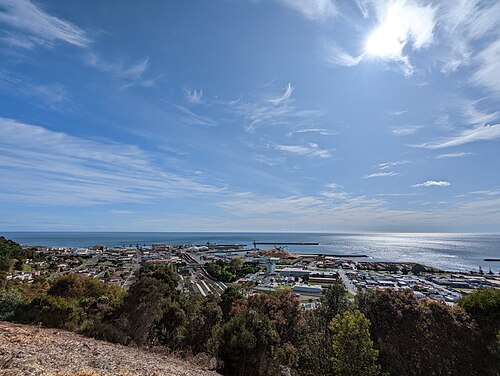
Burnie is a port city located on the North-West coast of Tasmania, Australia, with a population of approximately 19,000 residents. Positioned along the Bass Strait, it serves as a significant economic hub for the region. Established in 1827 as a small settlement for timber and later developed into a thriving industrial center, Burnie has a rich history that is closely linked to its port, which facilitates trade and commerce. The city is named after the Burnie River, which flows into the sea just north of the urban area. Burnie was primarily an industrial city, with its economy historically driven by paper manufacturing, food processing, and dairy production. The local economy has evolved over the years to embrace tourism, education, and services, shifting from its reliance on traditional manufacturing.
Burnie is known for its scenic coastal landscapes, which include beautiful beaches and rolling hills, making it a popular destination for tourists. The city's waterfront area, including the Burnie Foreshore, is particularly picturesque and hosts various events throughout the year, attracting both locals and visitors. Cultural attractions in Burnie include the Burnie Regional Art Gallery, which features an impressive collection of contemporary and historical Australian art, and the Pioneer Village Museum, showcasing the region's rich heritage. The city is also home to the University of Tasmania's Burnie campus, which offers a range of educational programs and contributes to the local community's knowledge base. Regular festivals, such as the Burnie Shines festival, celebrate the unique culture and community spirit, drawing attention to local businesses and artisans.
Overall, Burnie embodies a blend of industrial heritage and natural beauty, offering residents and visitors a diverse array of opportunities and experiences. The city's commitment to sustainability and community engagement drives its ongoing development, positioning it as an attractive location for both living and investment. Its vibrant arts scene, combined with the picturesque setting, makes Burnie a unique part of Tasmania's cultural landscape, inviting exploration and appreciation of its local attractions.
Facts about Burnie
- Burnie is known for its strong industrial base, particularly in paper and pulp production, which sets it apart from other Tasmanian cities.
- The city is home to the Burnie Regional Art Gallery, which features an impressive collection of contemporary and colonial art, making it a cultural hub in the region.
- Burnie's coastline boasts the famous Burnie Lighthouse, built in 1880, which is a well-known symbol of the city and offers stunning views of the Bass Strait.
- The city hosts the annual Burnie Ten, a ten-mile road race that attracts runners from all over Australia, highlighting its active community spirit.
- Burnie is located in the North-West region of Tasmania and is part of the larger Circular Head agricultural area, providing a unique blend of coastal and rural experiences.
- The city has a rich history in shipping and trade, with an essential port that has been a key transportation hub since the early 19th century.
- Burnie is home to the Maker's Workshop, an interactive learning center that showcases the region's history in manufacturing and provides artisan workshops.
- The city's unique geography features striking coastal scenery combined with lush hinterland, offering diverse recreational activities and attractions.
- Burnie is known for its vibrant music scene, hosting events like the Burnie Arts and Cultural Festival, which celebrates local talent and creativity.
- The Burnie Wildlife Park is a notable attraction, providing visitors with opportunities to interact with native Australian animals in a natural setting.